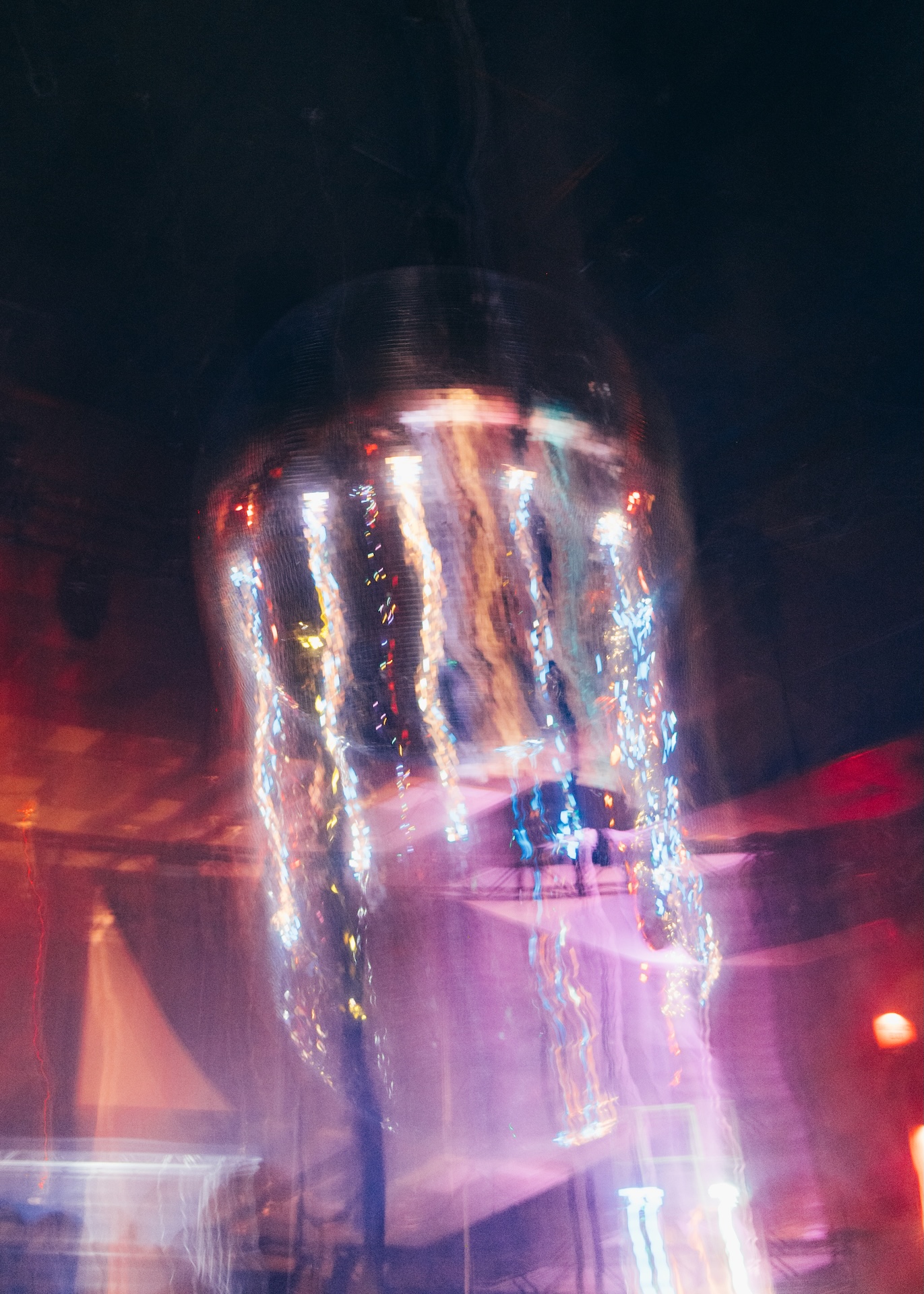




At a festival built on showmanship—LED walls, pyrotechnics, overstimulating visuals—Despacio stood like a quiet rebellion. A cathedral of sound stripped of gimmicks, screens, and spectacle. No VIP risers. No LED logos. No phones held aloft like armor. Just music, light, and people. The holy trinity of dance.
At this year’s III Points Festival, the unassuming space felt almost radical. In a sea of high-octane entertainment, Despacio asked us to slow down.
The Philosophy of Listening
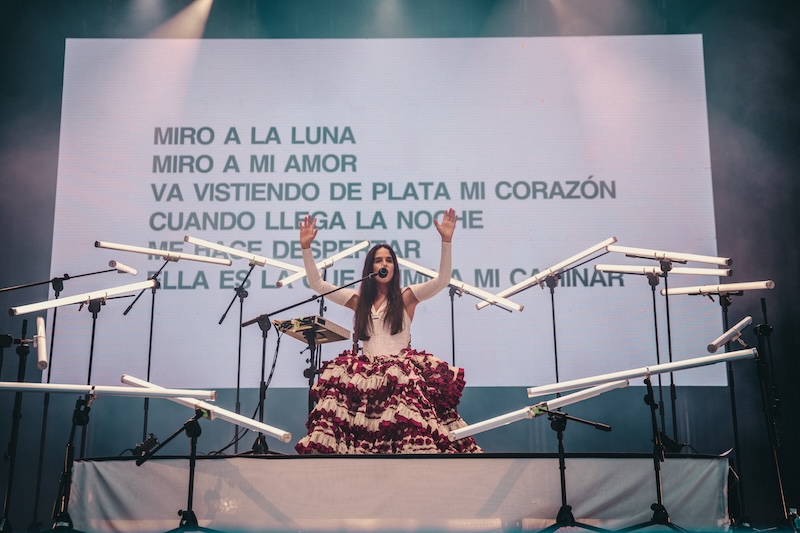
Despacio is not a “set.” It’s not even a “stage.” It’s a philosophy of listening. Conceived by James Murphy (LCD Soundsystem) and the Dewaele brothers (Soulwax/2manydjs), it was designed as a rebuke to modern club culture. A counterargument to the algorithmic flattening of nightlife. Murphy once called today’s DJ scene “weaponized elevator music,” and Despacio is his protest in 50,000 watts of pure, analog devotion.
Here, the sound is the star. Every record is played on vinyl, every mix sculpted with monk-like precision. It’s an audiophile’s wet dream, sure, but also something more tender, more human. A place where the philosophy of sound becomes an act of collective therapy.
The Anti-Spectacle Spectacle
At Despacio, there are no signs telling you where to look. You don’t all face the same direction. The DJs are hidden behind towering speaker stacks, seven monoliths of mahogany and circuitry. There’s no center stage, only a vortex of energy that swirls outward, pulling everyone into a shared current.
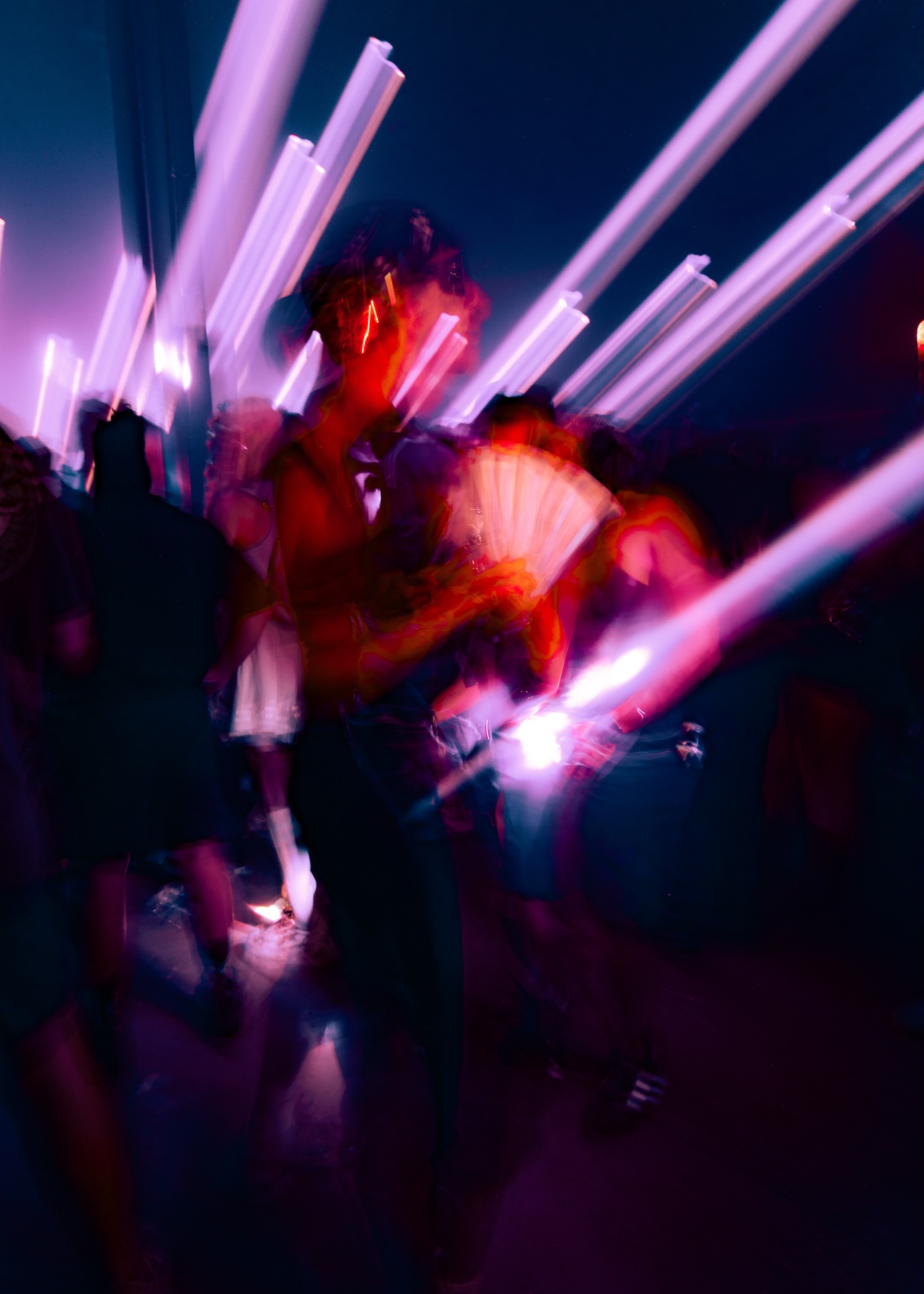
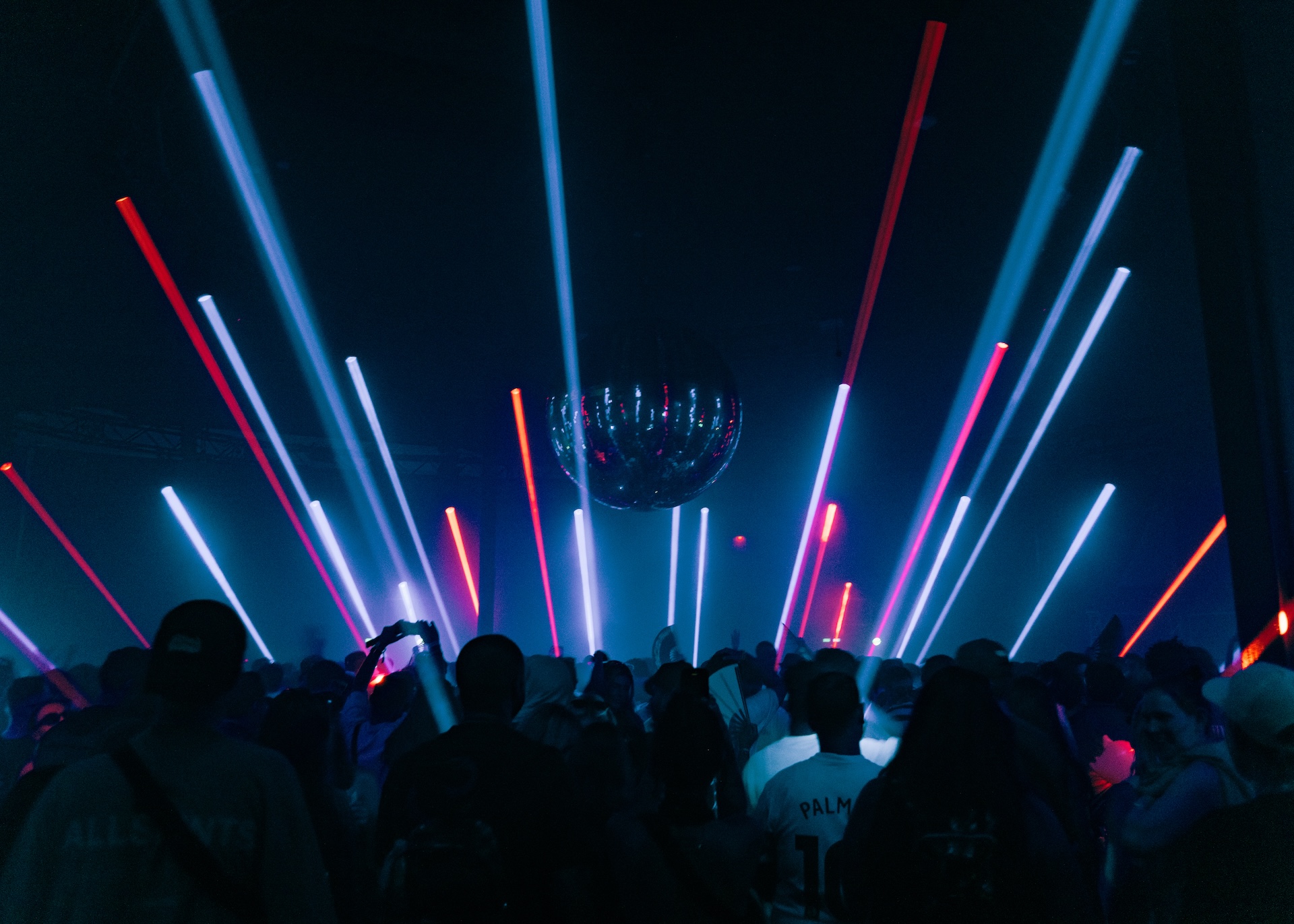
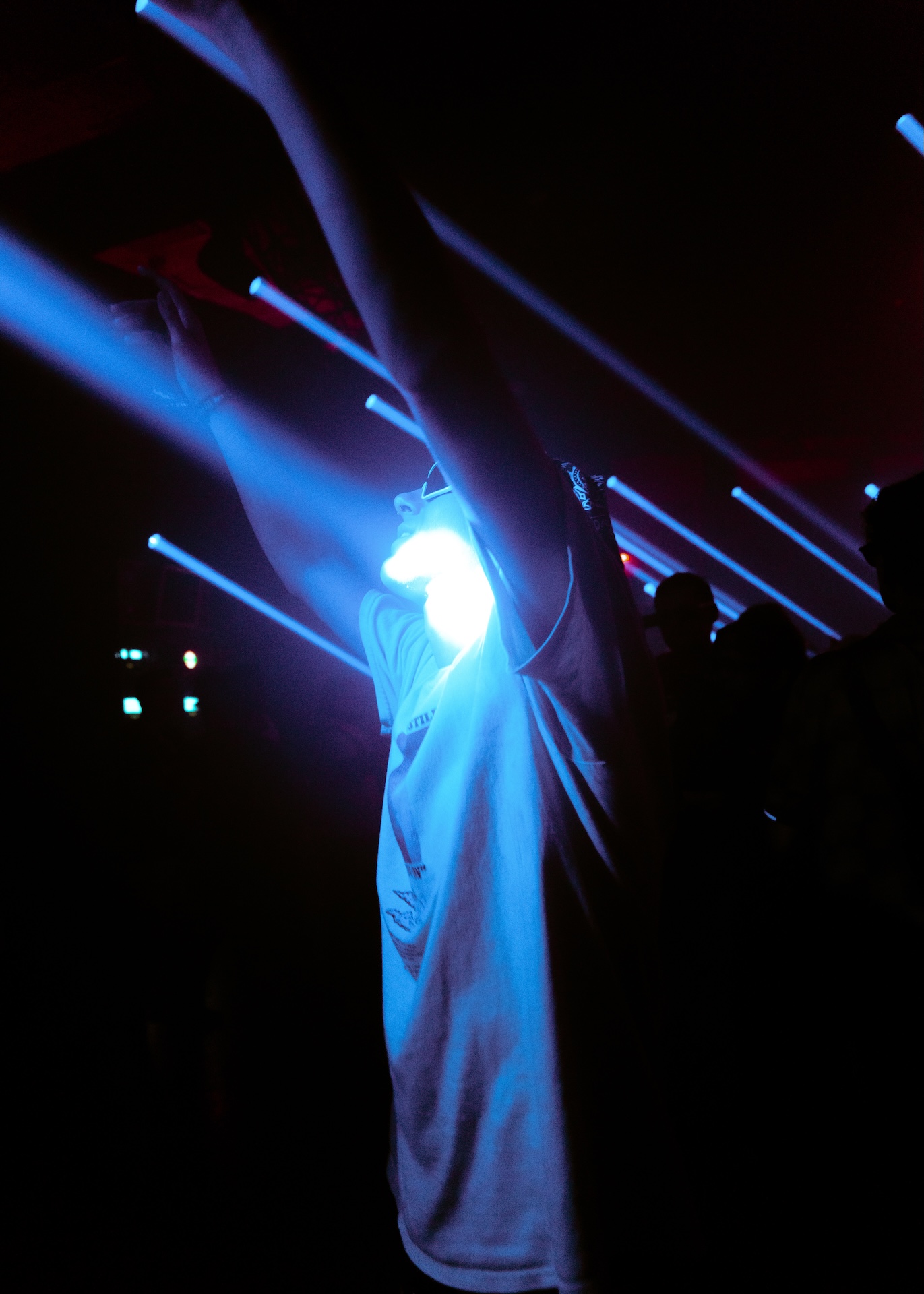
The lighting is low, intimate, almost moody. Less rave, more ritual. There’s nothing to prove, nothing to post. The chatter quiets. You remember: we’re here for the music.
It’s simple. It’s sensual. It’s revolutionary.
Ego, Dissolved
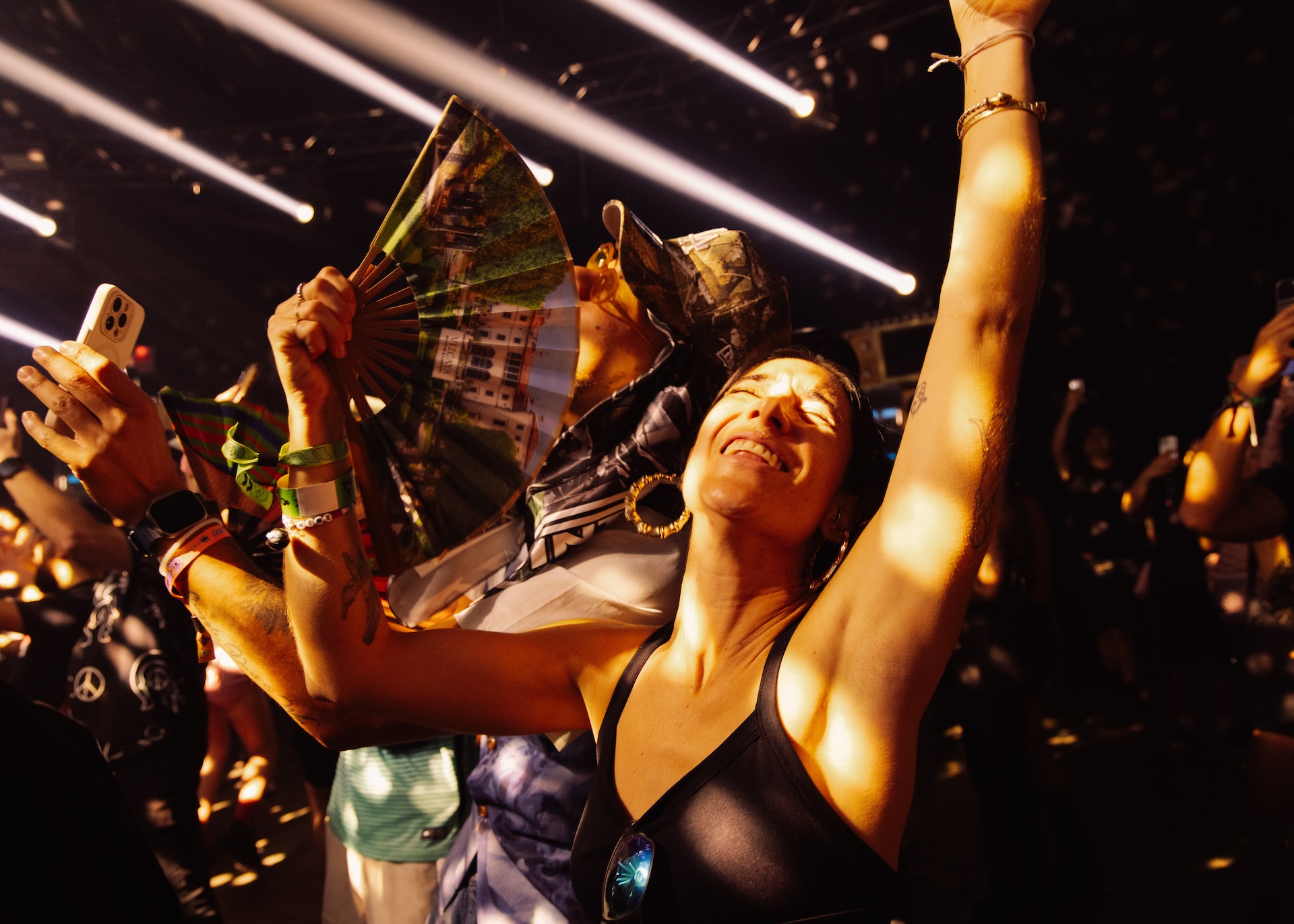
Despacio is what happens when the ego finally gets washed clean. Nobody cares what you’re wearing. Nobody’s angling for a perfect shot. You lose your edges, and so does everyone else. What’s left is pure connection. A dance floor redefined.
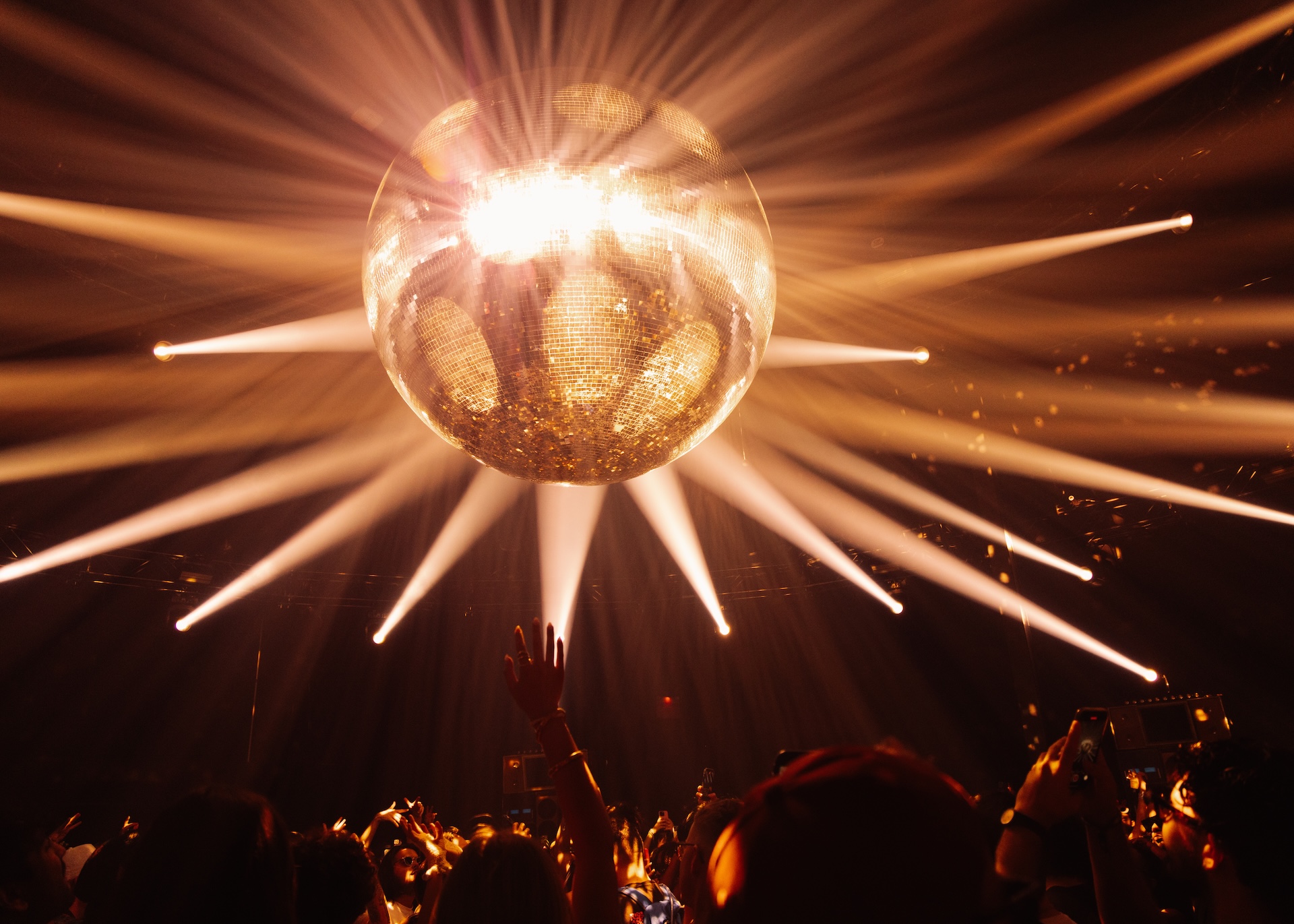
People look at each other again. Not through filters, not through glass. Just eyes meeting eyes under a spinning constellation of mirrors. For a few hours, you remember what it’s like to feel equal, alive, seen.
The Need for Third Spaces
Despacio reminds us what’s missing from so much of modern nightlife: a true third space. Not quite club, not quite concert; a liminal zone built for listening, moving, and simply being together.
In an era when social spaces are increasingly commodified—where you’re either buying, posing, or posting—Despacio reclaims the dance floor as a democratic commons. Where everyone and every feeling is equally essential to the whole.
We need more rooms like this. Rooms where music isn’t a backdrop for consumption but a catalyst for connection. Where bodies can gather without the choreography of self-consciousness dictating every move.
Despacio shows us what happens when you design for human presence instead of performance. You get a space where joy becomes communal, where strangers feel like family, and where sound itself becomes the architecture that holds us. It’s a reminder that the future of nightlife doesn’t have to look like Vegas. It can sound like this: slow, warm, analog, alive.
Communion on the Dance Floor
In Despacio’s world, music isn’t background, it’s presence. Each frequency feels like it was tuned for the human nervous system. The bass doesn’t just hit you; it holds you.
It’s not about being high. It’s about being here.
This is why people leave changed. It’s why strangers hug in the parking lot. It’s why every person who steps inside becomes an instant disciple of the Despacio gospel. It’s a sonic revolution disguised as a party.
A New Blueprint for Nightlife
Despacio makes a case for a new kind of nightlife. One centered on listening rather than looking. It asks us to value slowness in a culture obsessed with acceleration. To remember that the dance floor is not a stage for performance, but a circle for communion.
At its best, Despacio feels like time itself stretching and breathing. It’s art. It’s therapy. It’s resistance through rhythm. And in the end, as the lights dim and the last record fades, you can feel it:
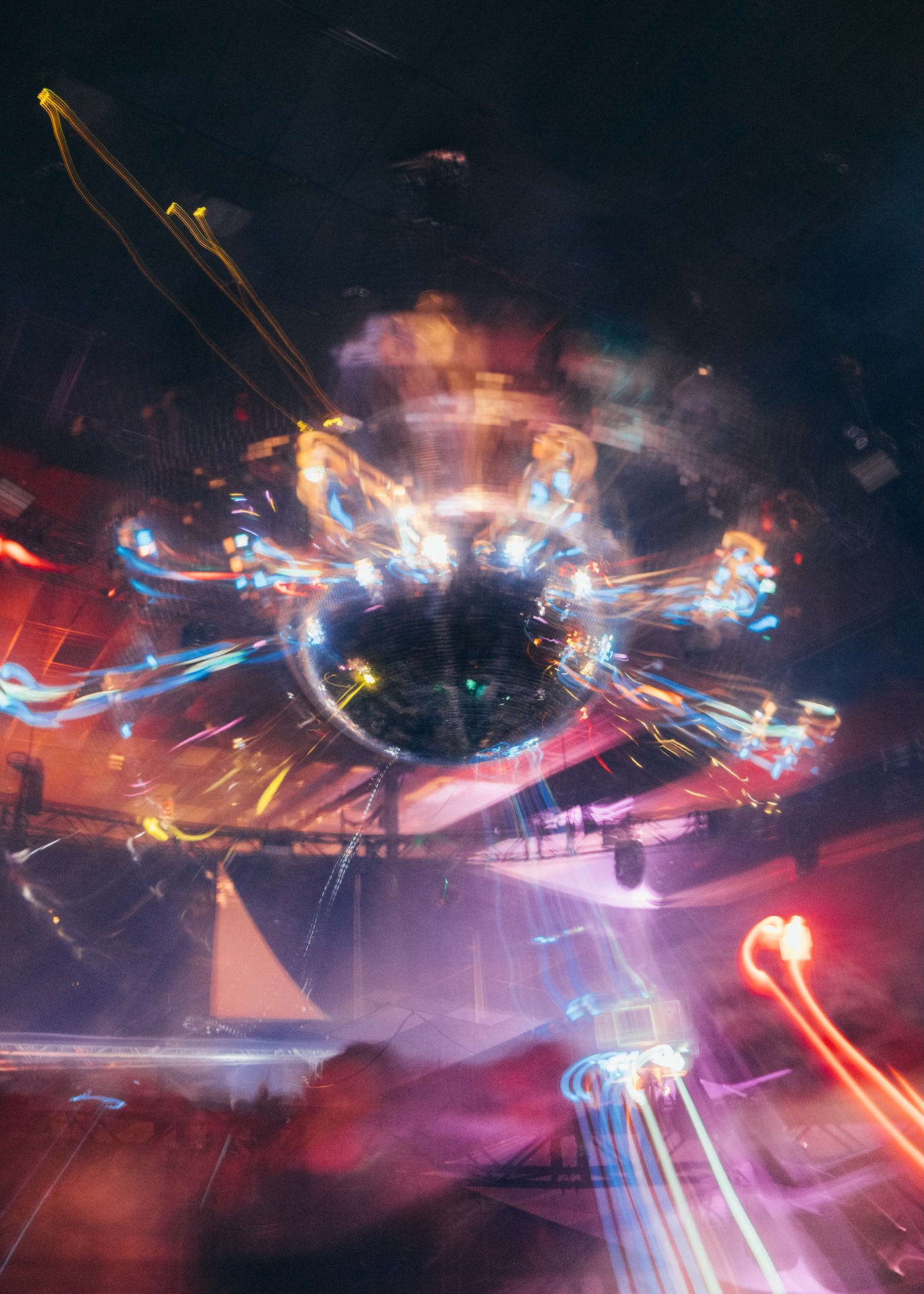
Despacio calls us to look at ourselves with love, to look out for the person we see and for the people around us. No wonder, then, that at its center is a disco ball—a colossal, mirrored orb of light reflecting us all back to each other.
Some Things People Have Said About It:
“If God doesn’t exist, then explain the magic of Despacio.”
“Have you ever been so happy to be alive?”
“If there’s no hope in the world, then explain Despacio.”
“Despacio is home.”
“We ARE worthy.”
All Photos by Val Chaparro.