



It was a typical bustling day in Mexico City’s Centro Histórico: sounds, aromas, colors, and people moving in every direction, all enveloping us in its heartbeat. As we arrived at Luma Studio, a tingling sensation settled in, an intuitive feeling that this day would be something different: something quietly extraordinary.
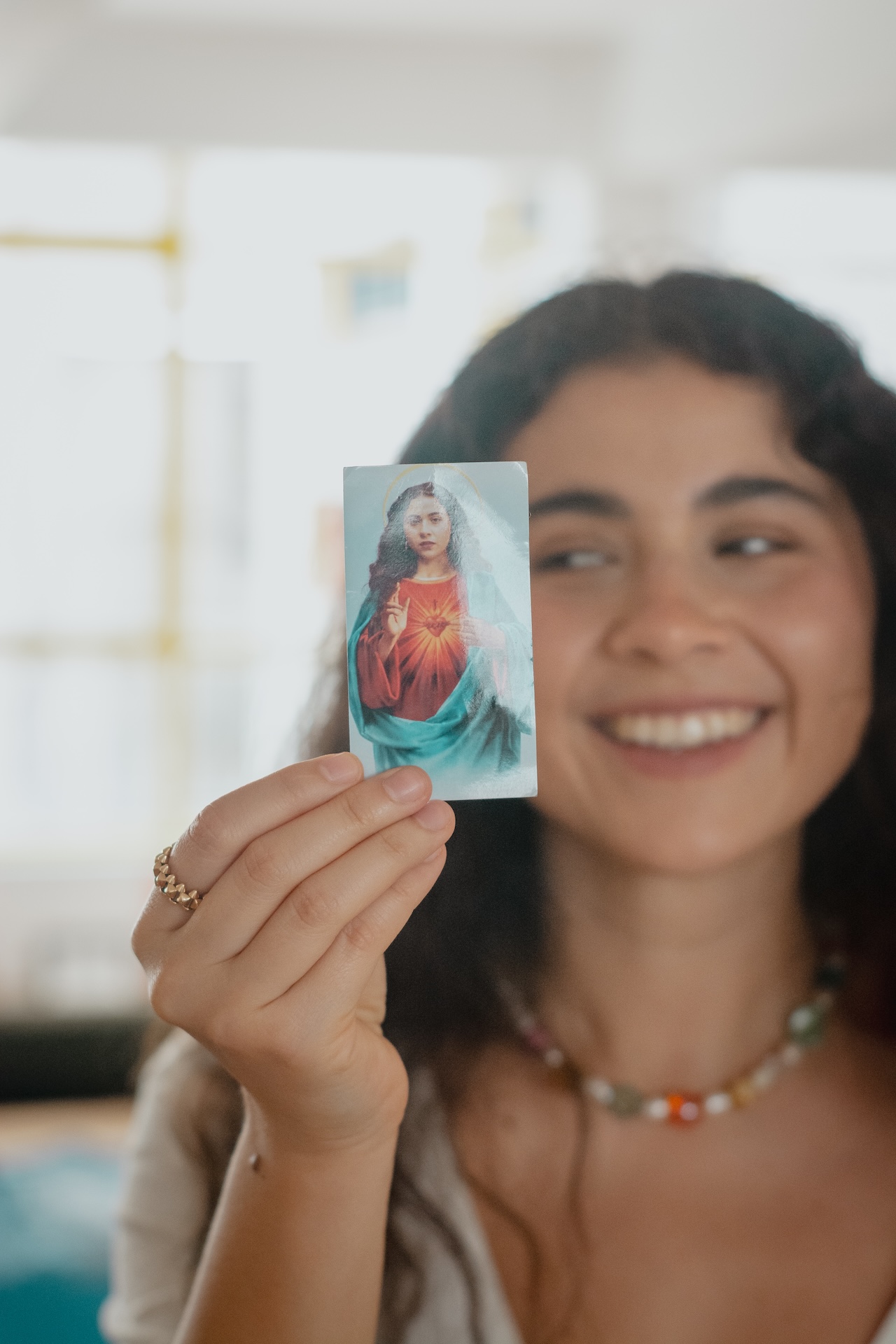
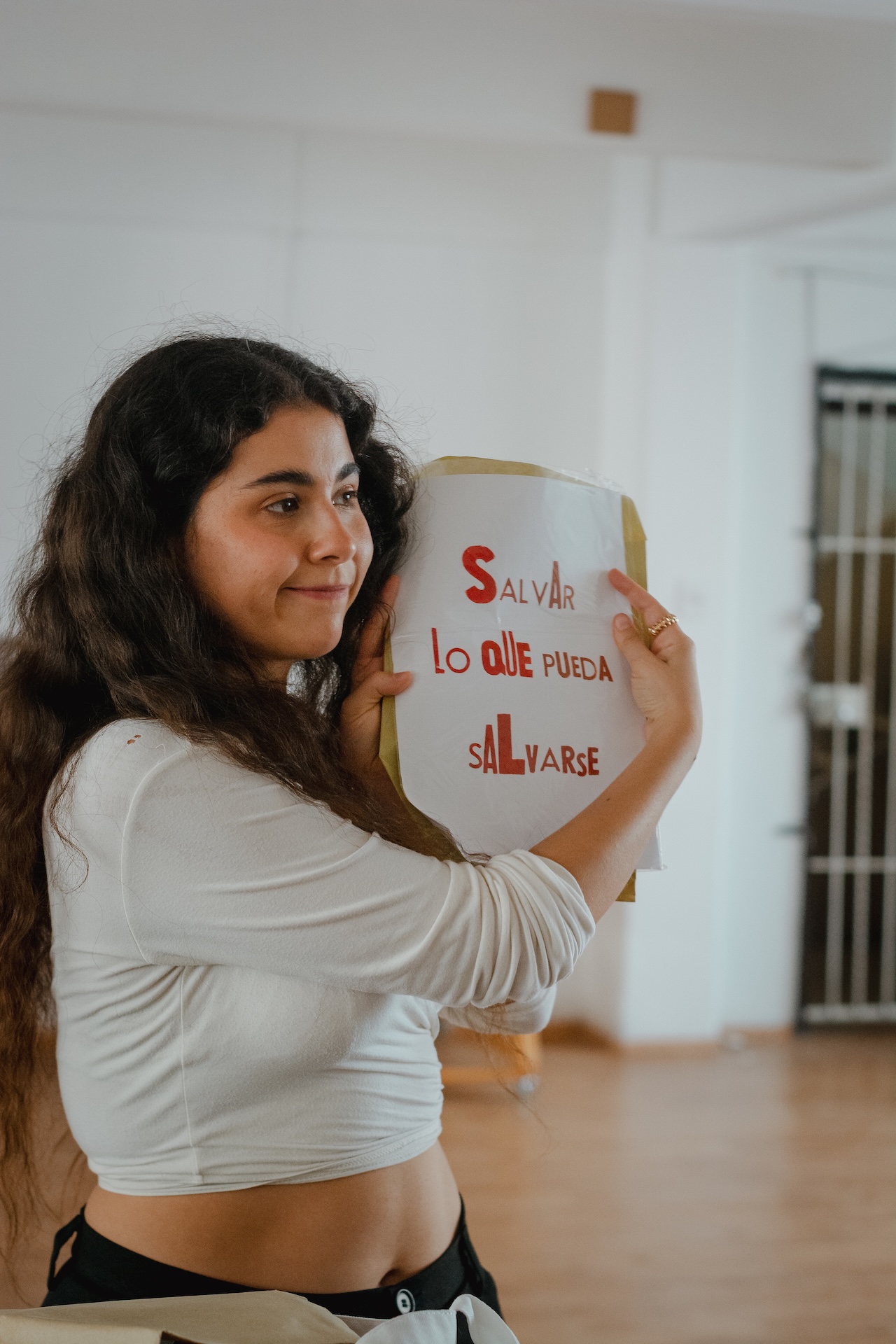
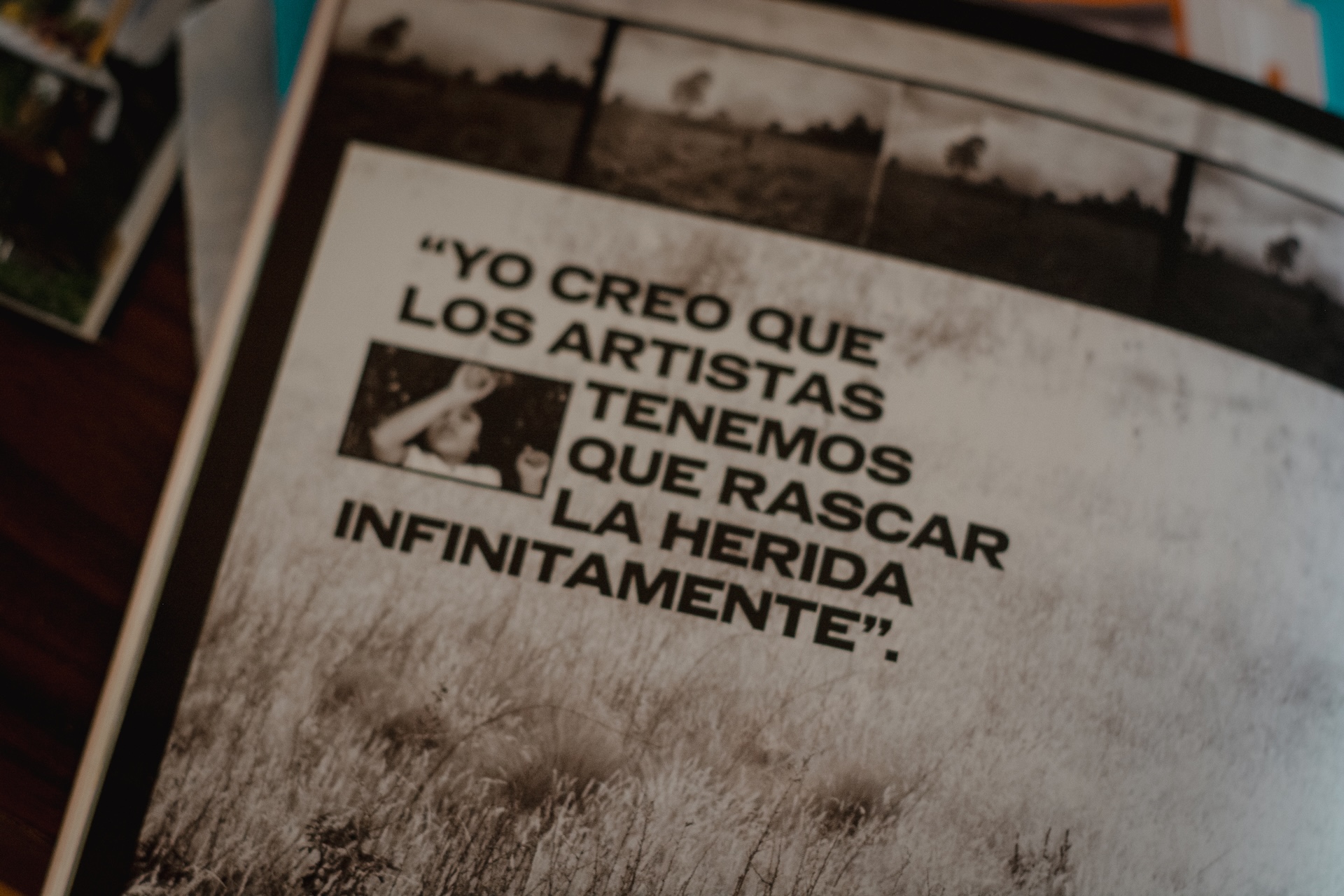
We gathered. We began to feel the loft-style space, its warmth, its light, and slowly created a set that felt like an extension of our hearts. A natural sanctuary that was as cozy as it was fit for a regal songstress. Just as we were laying out the final pieces of memorabilia; offerings of reverence to a voice both rooted and ethereal and gifted with the soul of folk and the spirit of son jarocho, I turned.
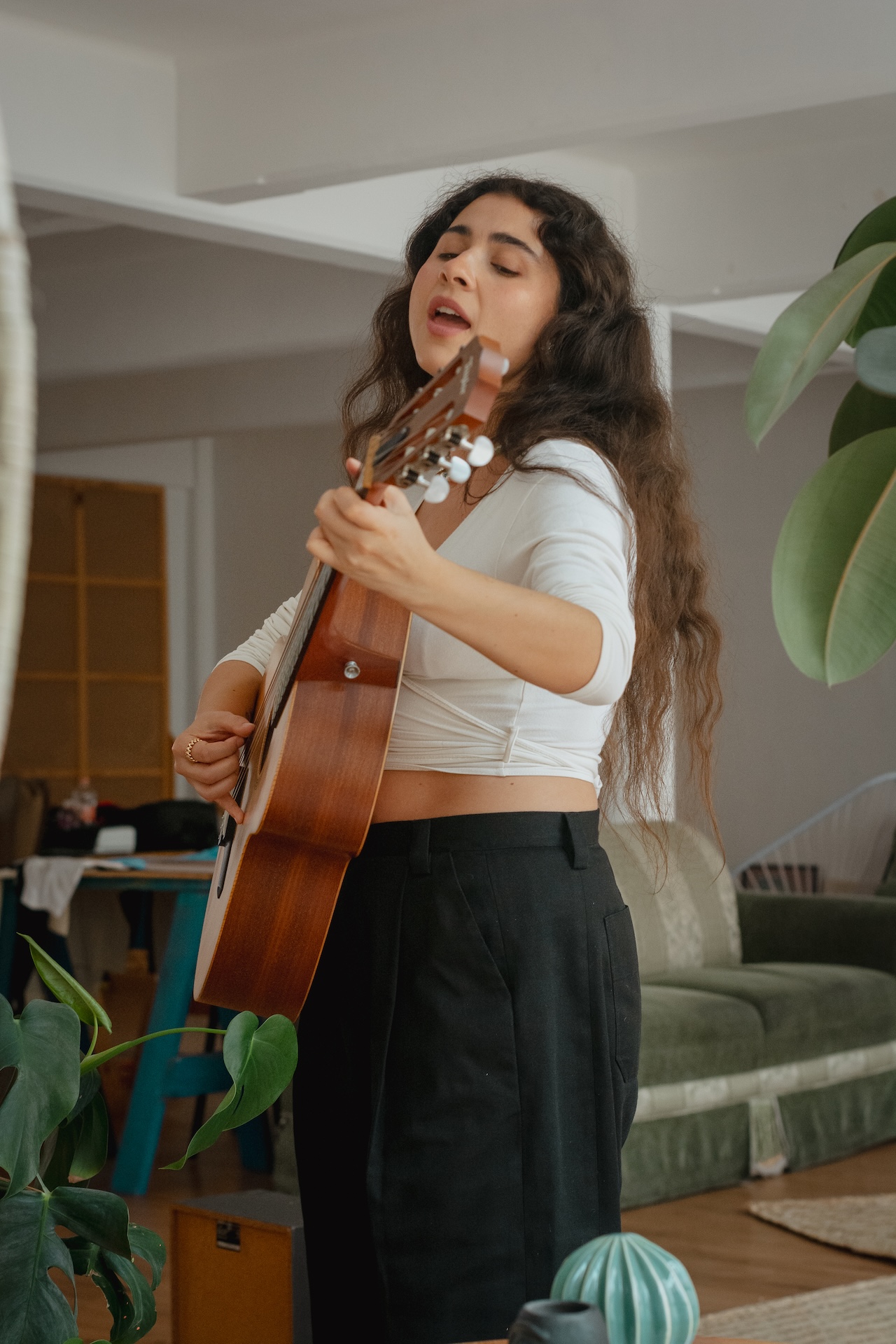
In the distance: lush locks of wavy brown hair and a guitar almost bigger than herself. Silvana Estrada walked into the room with an ear-to-ear smile, and suddenly, the whole space breathed differently.
Straight off the releases of two recent singles: the nocturnal solitude of “Como un Pájaro” and the playful, lighthearted defiance of “Lila Alelí”, an energy filled the room. Silvana had just spent the weekend in nature, drenched in the warm sun of Veracruz, reflecting, replenishing, and celebrating the magic of her bloodline for her mother’s birthday. Her weightlessness was both healing and inspiring. These were the echoes of achievement.
Naturally, as with all of her art, the 2022 Latin Grammy winner was emerging from yet another stretch of pouring her heart and soul into her craft. But this time, something felt different. These songs, rooted in solitude and uplifted by resilience, were imbued with an air of growth and deep transformation; the kind that only comes with loss, with confrontation, and with the quiet victories of self-reclamation.
“Dime si te vas o si te quedas…”
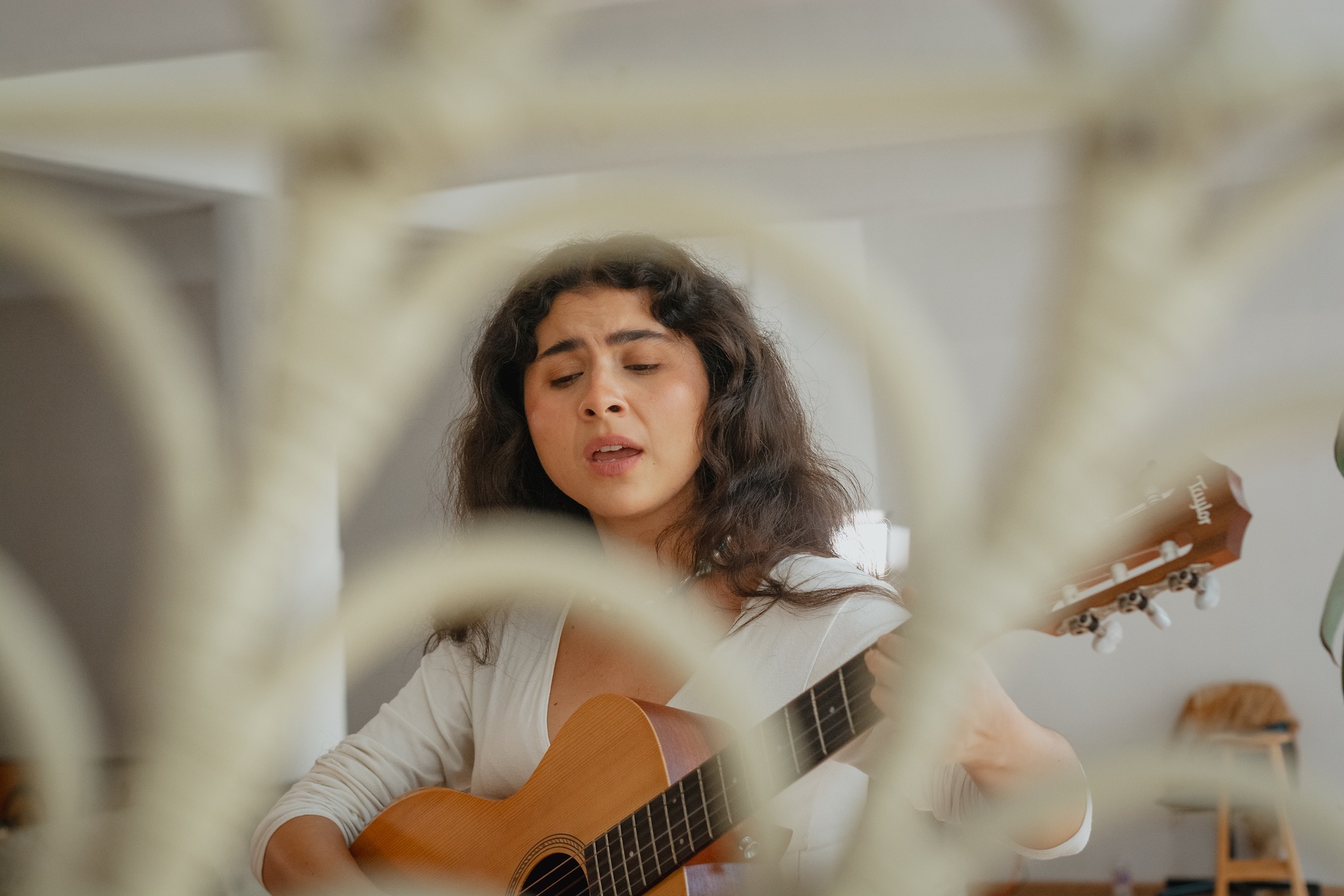
At one point during our time together, we paused the interview to reset our film equipment. Silvana stood up to stretch, walked around a bit, and then casually reached for her guitar. We had already un-mic’d her but then, as if summoned by something greater, that unmistakable voice began to fill the studio: “Dime si te vas o si te quedas…” It was unplanned, unfiltered, and completely transcendent. We all stood still for a nanosecond, caught in the soft gravity of that moment. Then we quickly came closer to experience the magic from her voice and the truth it carried.
In “Dime,” Silvana turns inward with a grace sharpened by grief. The track opens in near-whisper, carried by gentle guitar strokes and a string arrangement that swells like a deep breath held in the chest. The orchestration is cinematic and intimate all at once; textured with cello, subtle woodwinds, and silences that speak as much as the lyrics. Her voice, slightly cracked around the edges, feels both ancient and immediate. It is not asking for an answer. It is asking to be deeply felt.
The song was born from a tumultuous period marked by heartbreak, rage, and profound loss. “During my last one, two, three years, I’ve been dealing with really beautiful things, really awful, really intense… like, sad perdidas (losses) in my life,” she tell us. “I remember being very, very, very angry at that time, and I was not able to process my own enojo, my own rage.”That emotional unrest soon made its way into her dreams. In one recurring vision, Silvana would open the door of her apartment to find a tiger. In the kitchen: snakes. Her whole house teeming with animals. “I remember my therapist telling me, all those animals you’re afraid of, it’s also you being afraid of feeling angry about whatever is happening in your life.” She didn’t yet know what to do with all of that discomfort, all of that fire. “It’s uncomfortable… so I think ‘Dime’ was my attempt to connect with my anger from a beautiful point of view. I’m completely entregada a la vida buena, no? After being angry.”
In the quiet magic of a summer retreat in Montréal, Silvana found unexpected refuge in the middle of this existential storm. Surrounded by a circle of deeply generous musicians, including harpist Sarah Pagé, drummer Tommy Crane, bassist Rémi-Jean LeBlanc, and sound alchemists like Kuster Robbie and Bitrán Arizpe, she spent a week in a house by a lake, simply playing, exploring, and existing. Each day ended with her cheeks aching from too much smiling, a joy that etched itself into the fabric of the song. “Dime está vestida de un montón de amor de muchísima gente de varias partes del mundo,” she wrote on Instagram. It’s a song clothed in love, stitched together by the hands and hearts of artists from across the globe. That tenderness echoes in every note, from the delicate harp textures to the organic warmth of the arrangement.
That’s what makes “Dime” feel so honest, so soul-baring. It’s a song that doesn’t resolve itself neatly. It offers no grand catharsis. Instead, it sits with what’s raw and unresolved while carrying the soul with its melodies. It trusts that even pain, when sung with truth, can be sacred.
As the day came to a close, Silvana suggested we step outside for a breath of air. Without hesitation, we followed her lead into the heart of the city. The streets spilled open into the vastness of el Zócalo, where history hums beneath every tile and the sky stretches just a little wider. We wandered slowly, no longer in interview but in quiet communion. There was something magical about watching her move through that space, tender-eyed and unguarded, soaking in the pulse of her tierra. In that stillness, we didn’t speak much. Instead, we offered silent gratitude. To the land that raised her, to the lineage that shaped her, and the universe that gave us a voice like Silvana’s.
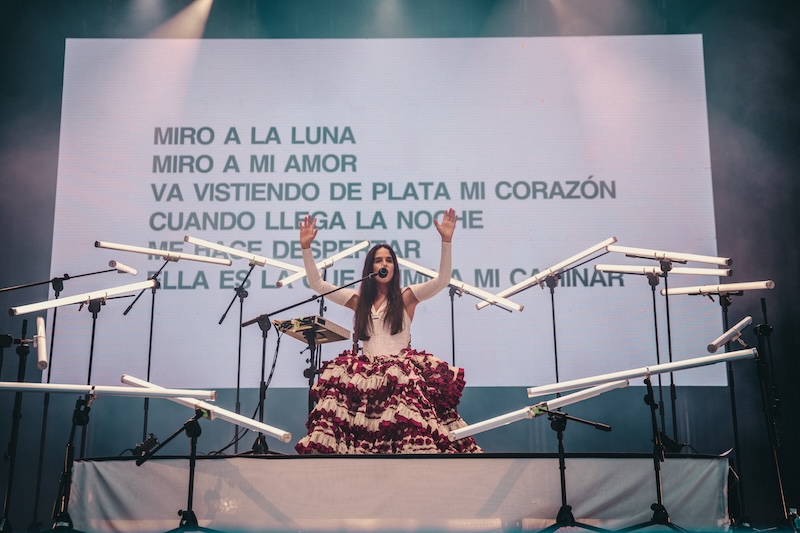
Now, as she opens her heart to the world once more, Silvana Estrada is taking these songs on the road through her new album, Vendrán Suaves Lluvias, launching in October. This just-announced album and tour will bring her voice, her stories, and her healing presence to intimate stages across the globe. We invite you to join her to witness the songs not just as music, but as mirrors. To hold, to listen, and maybe even to feel your own quiet fire rise to the surface.
Photos by El Rey de Aragon.