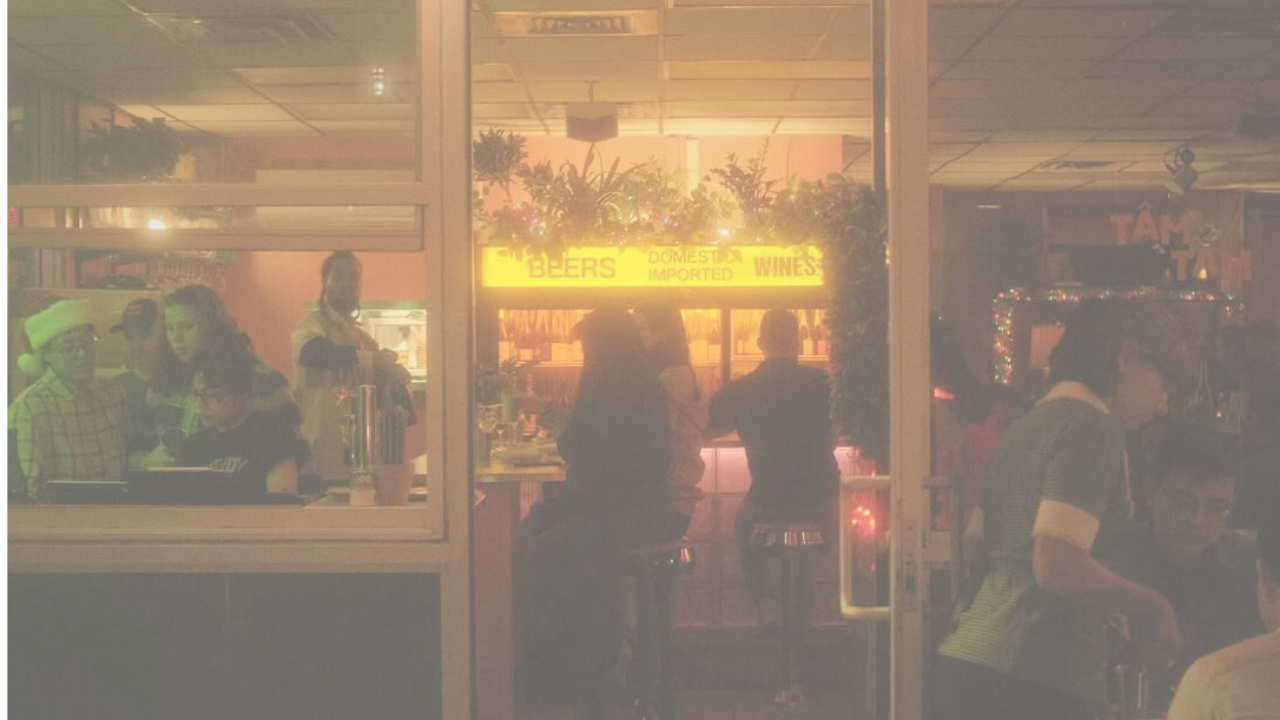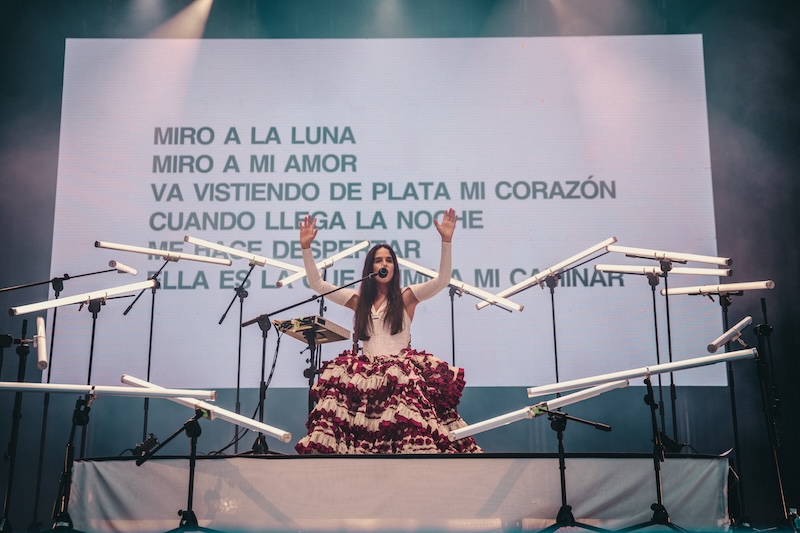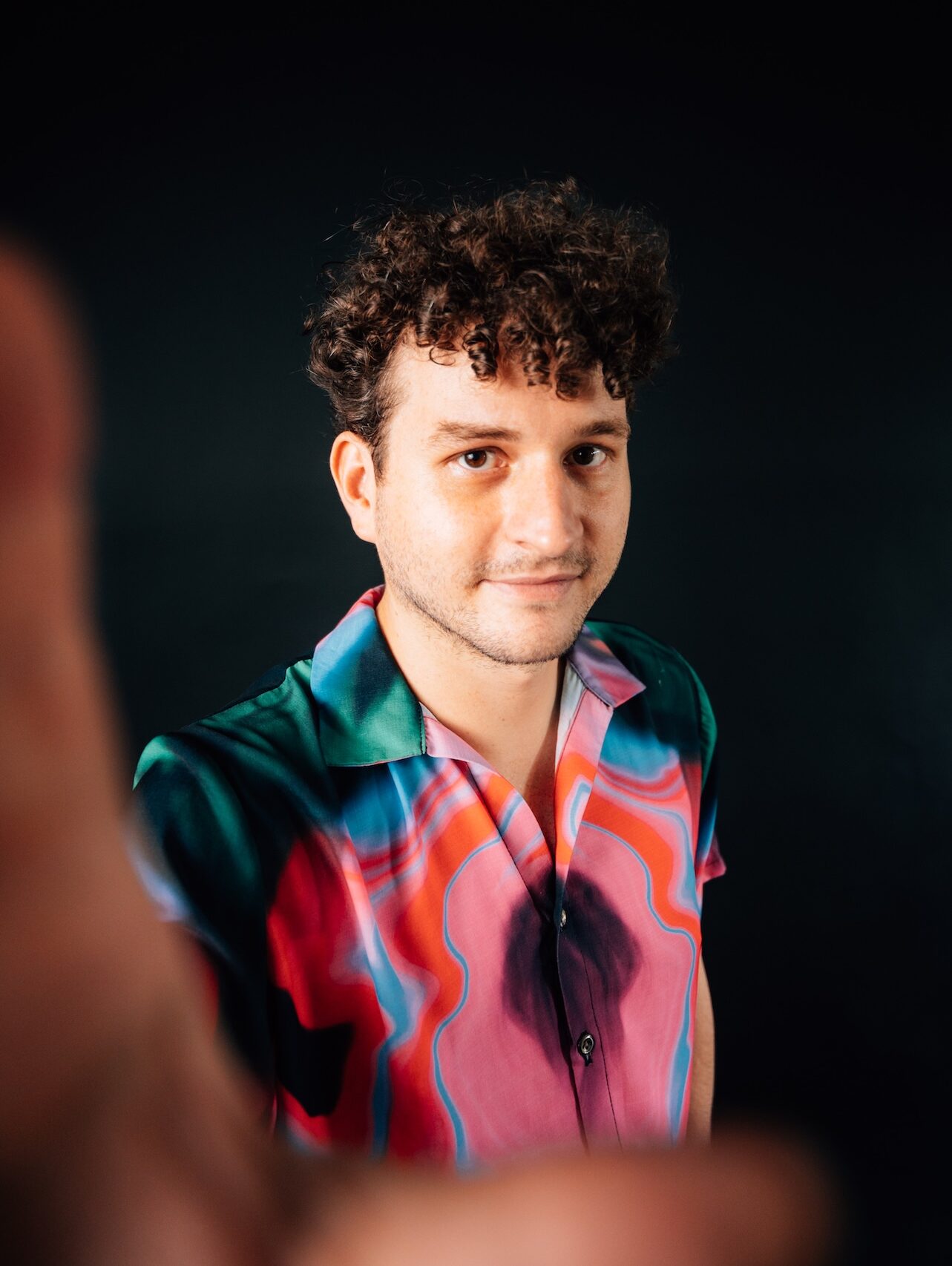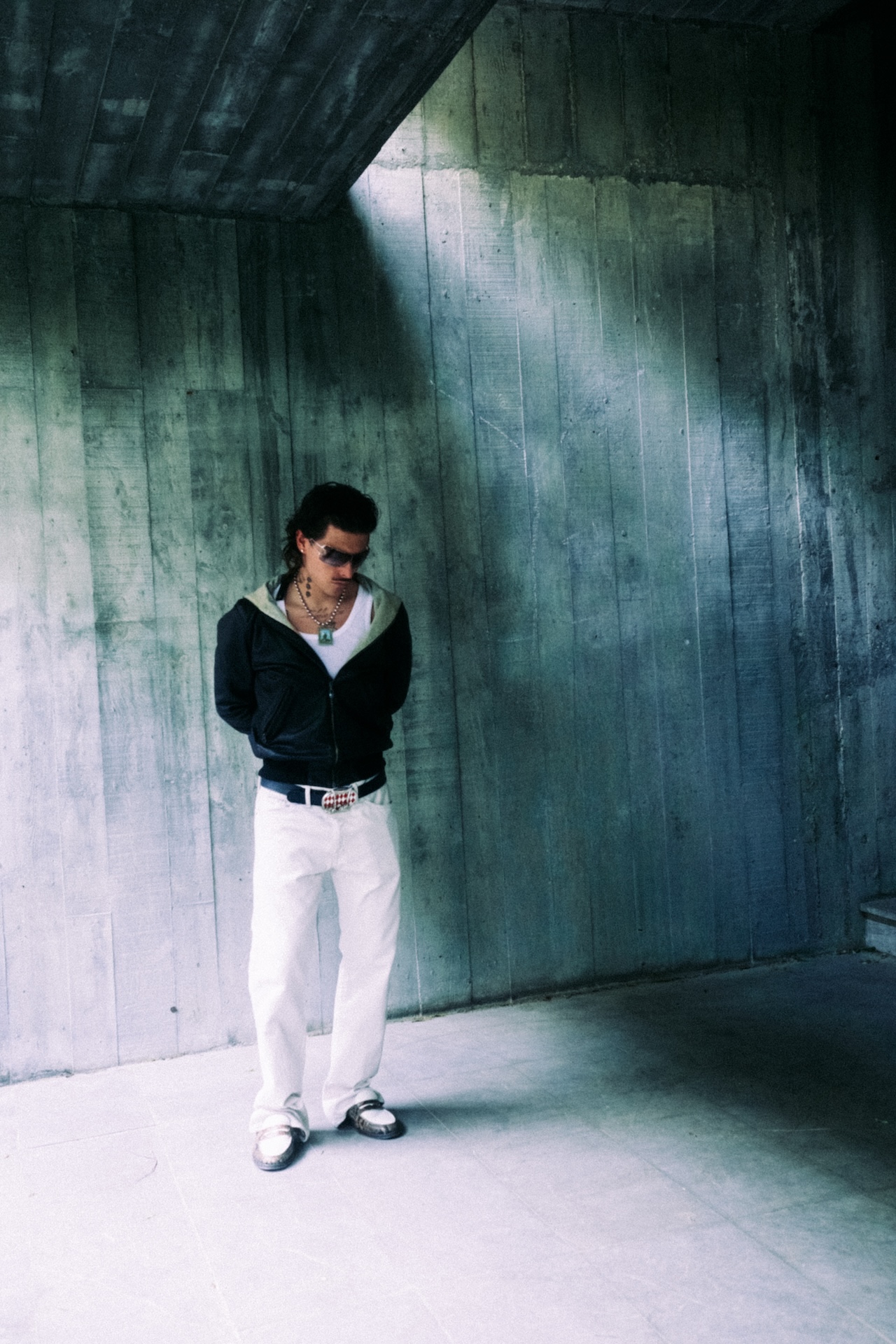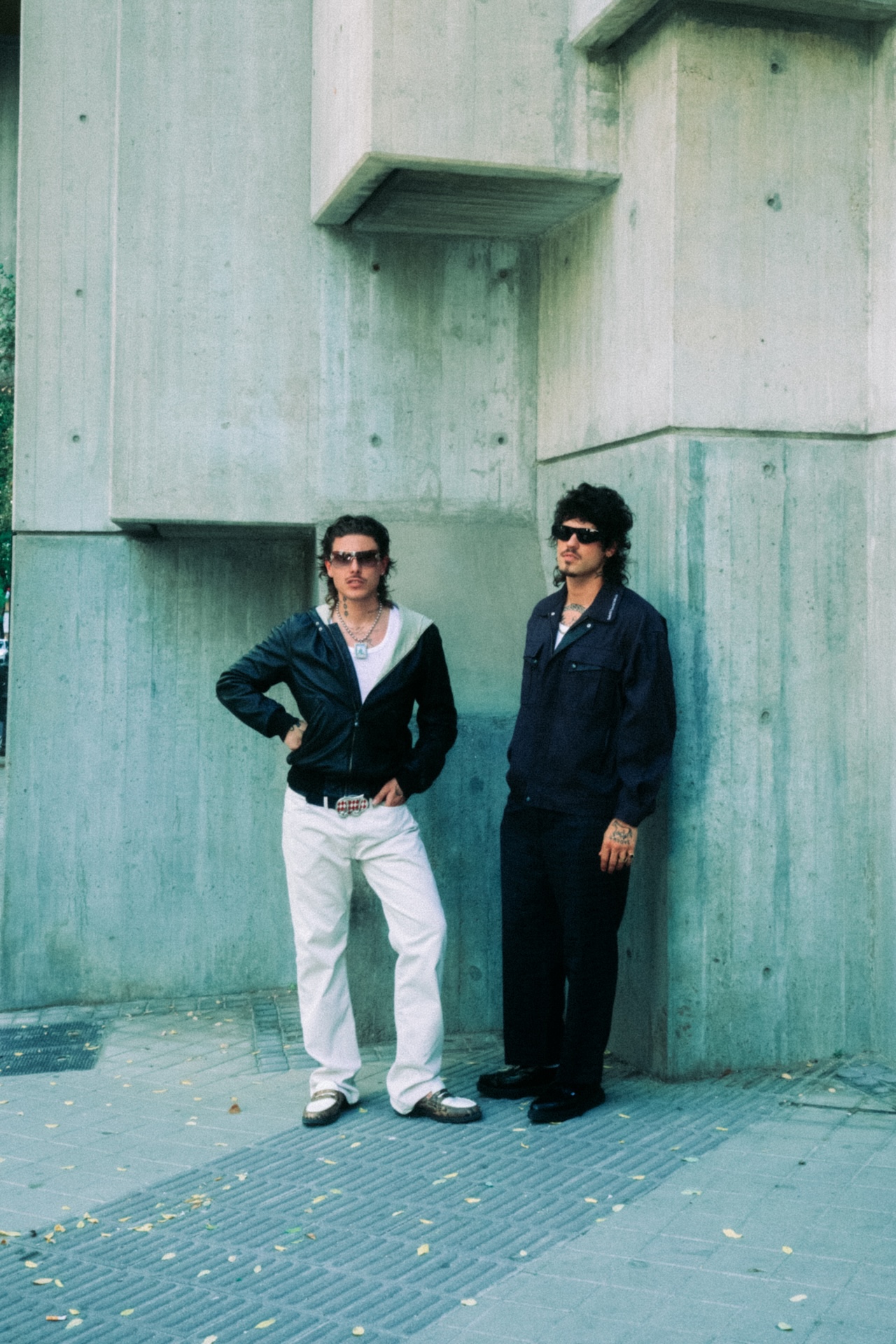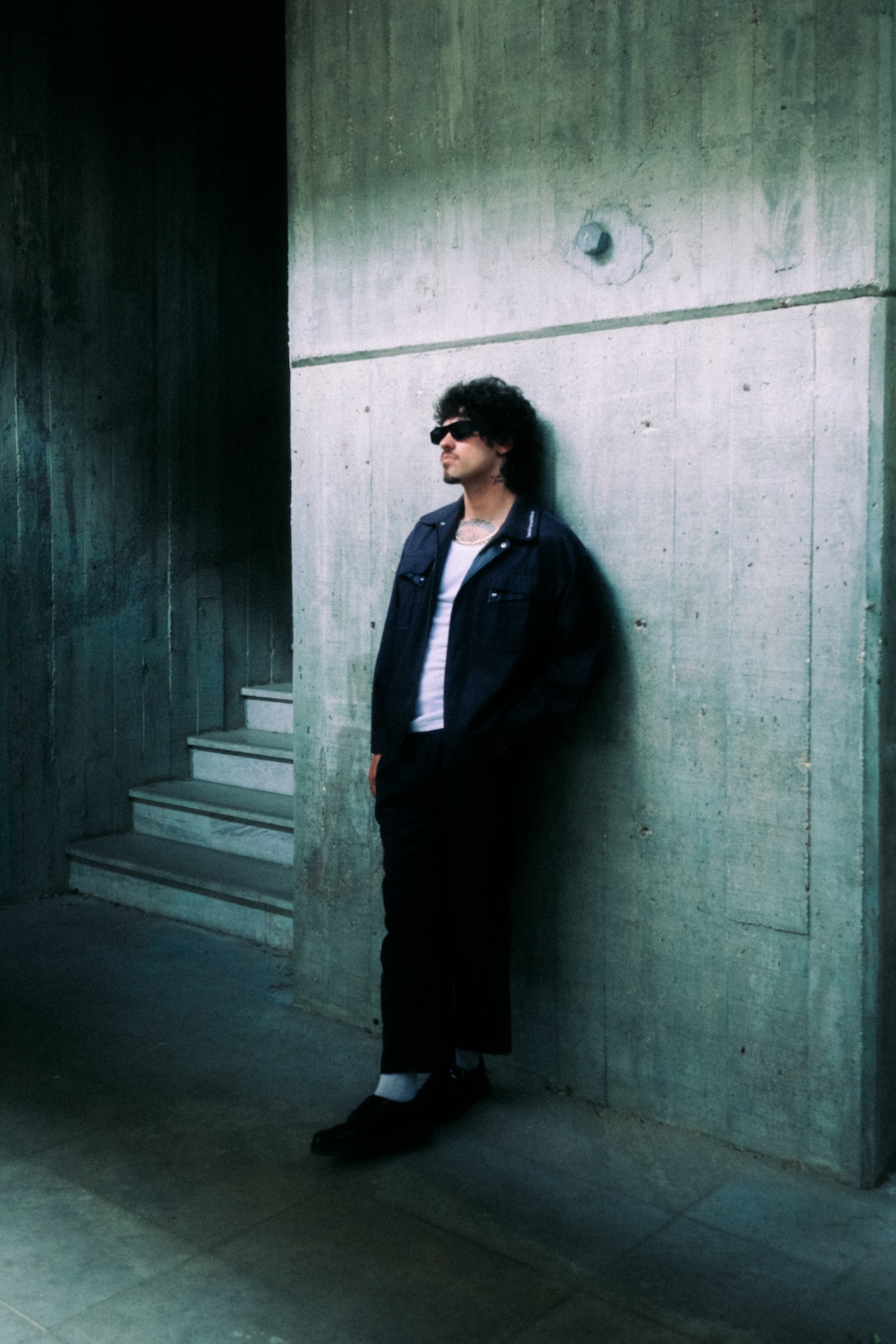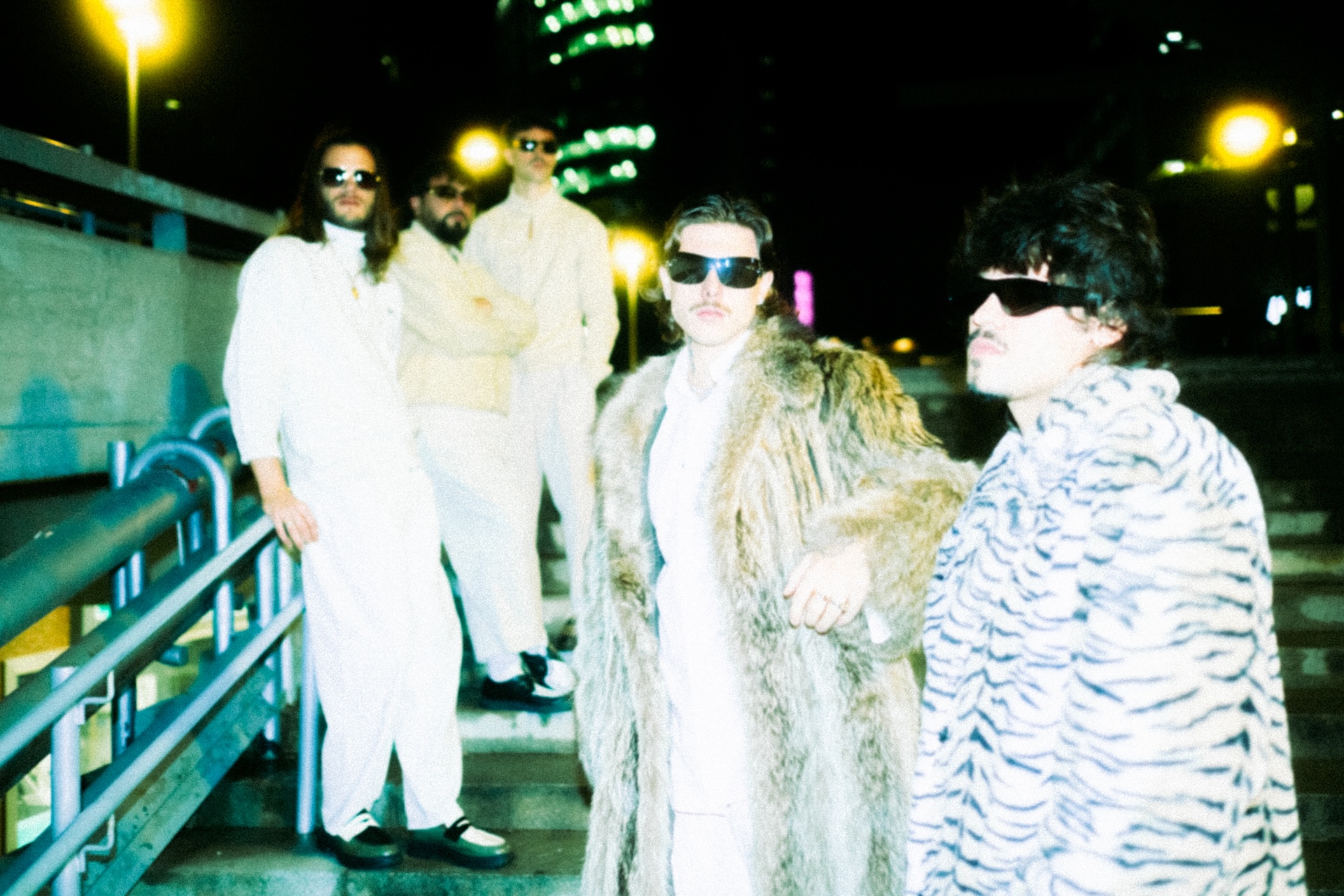




La Plazuela, the Granada-based duo known for their fearless fusion of flamenco and funk, return with a bold new album, LUGAR Nº0 (D.L.Y), that stretches their sound into new territories. Last year, we caught up with the pair at La Cueva de Tigre, straight off the heals of their La Caleta tour. Their sound has undergone an exhilarating evolution since our first interview and this time La Plazuela looks beyond borders — expanding their flamenco-funk roots into new sonic worlds. They’re even gifting us a soulful co-creation with fellow Spanish powerhouse Ángeles Toledano.
Indio and Nitro sat down with Tigre Sounds to share insights into their creative process, the balance between tradition and experimentation, and what it means to stay true to their Andalusian roots while exploring new sounds.
TIGRE SOUNDS: La Plazuela has always been known for blending flamenco and funk, but your new album brings in so many more influences: R&B, jazz, Latin American music… much more international genres. Yet, your essence remains. How have you managed to keep your signature sound while exploring so many styles?
INDIO: For me, there are two clear layers in the creative process. First is pure composition: harmony and melody rooted in flamenco. It’s something we’ve internalized so deeply that it naturally shapes how we write and sing. That foundation acts like glue. Then there’s the second layer: sonic exploration. That’s experimenting with timbres, rhythms, synthesizers, and new ways to arrange a song. External influences come into play there. But even as the sonic landscape changes, we remain ourselves. We can’t escape that identity—and honestly, we wouldn’t want to.
TIGRE SOUNDS: And you, Nitro?
NITRO: I completely agree. Our essence lies in our voices and the way we perform. Even if a track strays from flamenco, it still sounds like us because our singing and rhythmic phrasing are so personal. Plus, between the two of us, we balance each other. If one goes too experimental, the other brings restraint. It’s a constant dialogue that keeps everything coherent.
TIGRE SOUNDS: Your entire team is from Granada. Does that shared identity influence your sound, keeping it Andalusian even when you experiment with other genres?
INDIO: Absolutely. Working with people from Granada gives the project a strong cohesion. We’ve been friends long before the band existed; we share cultural codes, musical references, even ways of living. That familiarity makes communication natural and allows the sound to flow without over-explaining. But going to Los Angeles really highlighted the contrast: there, multiple producers work simultaneously, each adding their own layer and urgency. It’s a different pace, a different philosophy. Effective in some contexts, yes—but it doesn’t fit our intimate, detail-oriented process. That contrast helped us understand why our way of working in Granada is so effective.
NITRO: Exactly. Being Andalusian already leaves a mark: the flamenco cadence, the way you feel rhythm… it’s embedded in us and our team. Our time in L.A. was incredible and taught us a lot, but it also reaffirmed that what we really wanted was to produce the album ourselves with Álvaro. The trip didn’t pull us away from our sound—it helped strengthen it.
TIGRE SOUNDS: On this album, Side A has a sound closer to Roneo Fan Club, but after the interlude, the aesthetic shifts significantly. Was that a conscious decision?
INDIO: Not from the start. It was more a natural result of how the songs came together. Some have an energetic drive, others are more introspective. The album ended up organized to respect that emotional curve, and in that sense, the interlude became a natural dividing point.
NITRO: It’s similar to how we structure live sets. Some songs are heavier, some lighter, each with a different weight. During the process, it became clear there were two distinct atmospheres, and arranging them this way made the album’s journey more coherent. It’s not a narrative concept, but it is an emotional one.
TIGRE SOUNDS: You’ve expanded the instrumentation a lot on this album. Can we expect that richness on the tour?
INDIO: Some elements, yes; others, no. For instance, we haven’t added a horn section because we prefer to reinterpret the songs with the resources we already have. For live shows, we’re rethinking arrangements: minimizing sequencing, redistributing parts among musicians, and figuring out which elements work best in each space. Some things shine on the album but don’t translate live, and vice versa. We’re finding a balance.
NITRO: It’s about treating ourselves as a proper band and fully using the instruments on stage without adding layers unnecessarily. Sometimes, having fewer tools sparks more creativity, and we enjoy that challenge.
TIGRE SOUNDS: The album opens with the line: “If I ask you, can you listen to me?” Is that a comment on how we consume music today?
NITRO: Absolutely. It’s a delicate subject—you don’t want to sound like an old curmudgeon—but our goal isn’t to criticize. We want to invite people to listen with more attention, without rushing. After spending two years on an album, the least you hope for is that it’s heard with respect. It’s not a reproach, but a reminder to slow down and enjoy the experience.
INDIO: I agree. Our generation faces challenges like the pressure for instant gratification and the constant need to post content. That creates a toxic relationship
TIGRE SOUNDS: You’ve collaborated with Texture again. How has your partnership evolved since the La Caleta EP?
INDIO: La Caleta was a testing ground, a laboratory. We were exploring without a map. That EP isn’t the blueprint for La Plazuela’s sound—it was a space to discover what our collective sound could be.
NITRO: Even then, influences that are still with us emerged: Yussef Dayes, Tom Misch, working from groove and rhythmic texture. Our keyboardist also contributed new colors we hadn’t used before. That learning has now solidified.
TIGRE SOUNDS: This album relies heavily on synthesizers, with flamenco guitar almost absent—a bold choice for a genre so rooted in tradition. Was this a deliberate search for new sonic languages, or just the natural outcome of your creative process?
INDIO: Both. After the first album, we wanted to explore other musical languages that are part of our identity. Flamenco guitar is obvious in our context, and we preferred to avoid clichés. We wanted to venture into new timbral spaces.
NITRO: Also, flamenco guitar is often tied to a very specific production style. Now, if we use it, it’s because it genuinely serves the song, not because “it’s expected.”
TIGRE SOUNDS: Side B is more experimental and daring. How do you expect listeners to respond?
NITRO: I’ve always admired artists who evolve. When you create honestly and without fear, you also educate the listener, showing that your universe is bigger than it first appeared.
INDIO: The first single is more accessible, but then the album dives into stranger territories—and I think that’s exciting. I trust that this openness will help us reach new places and audiences who didn’t expect us.
TIGRE SOUNDS: Where do you see La Plazuela heading next?
INDIO: We’re eager to leave Spain, play abroad, and share the stage with artists we admire—people who might connect with our music from a fresh perspective, less influenced by local context. We want to see how La Plazuela is perceived elsewhere.
NITRO: Of course, planning is tricky. Songs take on a life of their own and can lead you down unexpected paths. But having even a vague goal helps guide the work and keeps us moving forward.
With their new album, La Plazuela proves that evolution doesn’t mean losing identity. In LUGAR Nº0 (D.L.Y) Indio and Nitro invite listeners into a rich, immersive soundscape. One that challenges expectations and opens doors to fresh audiences both at home and abroad.