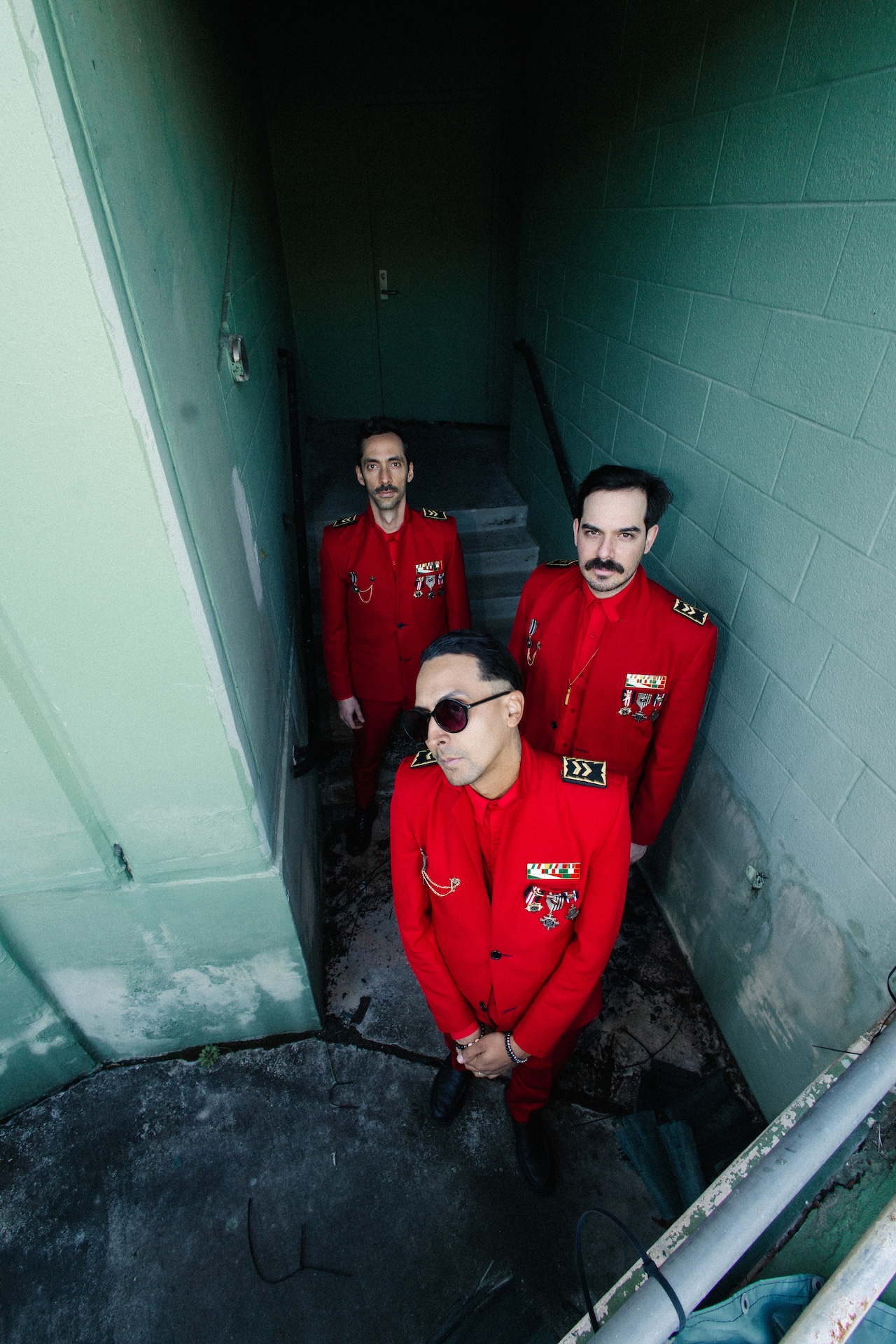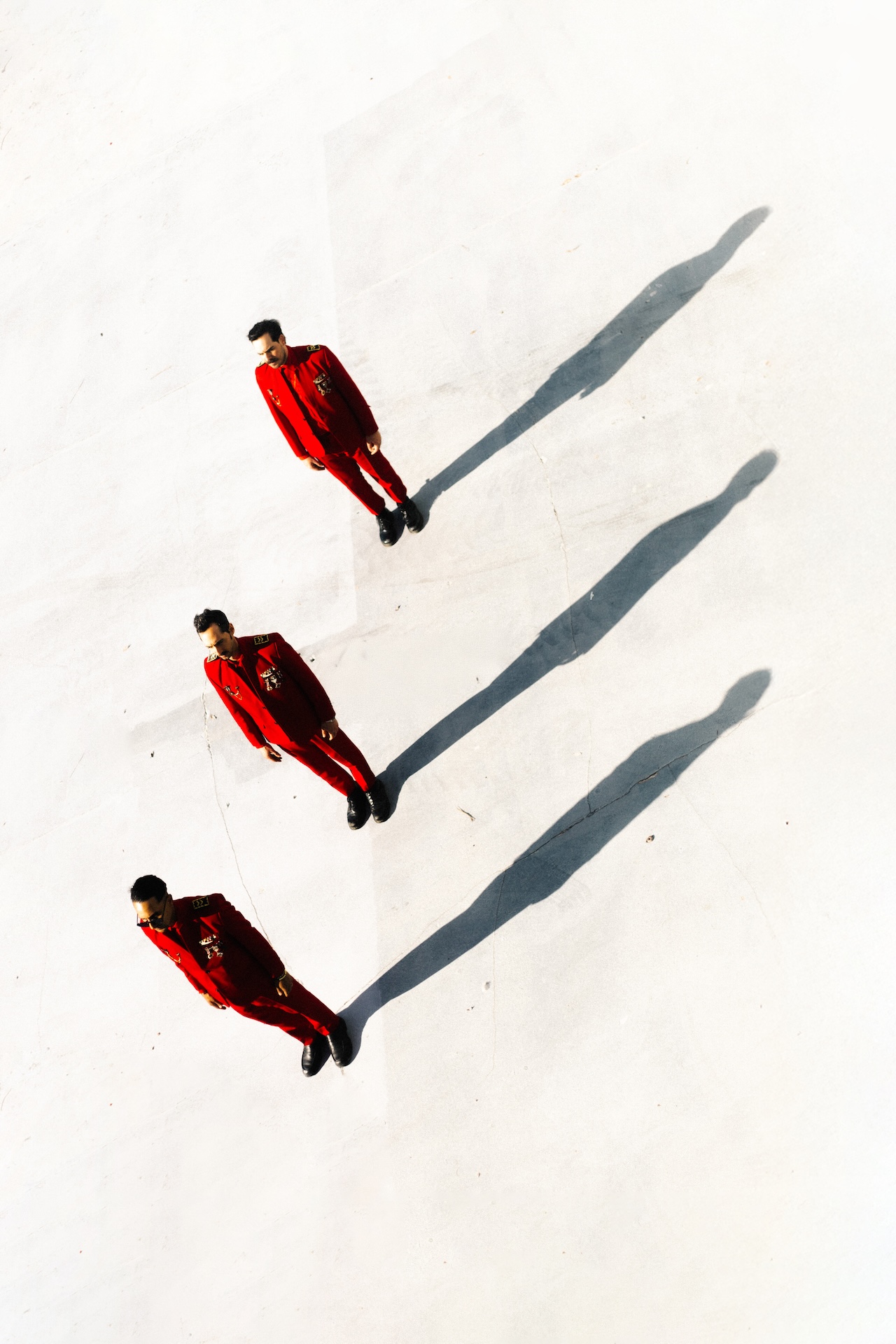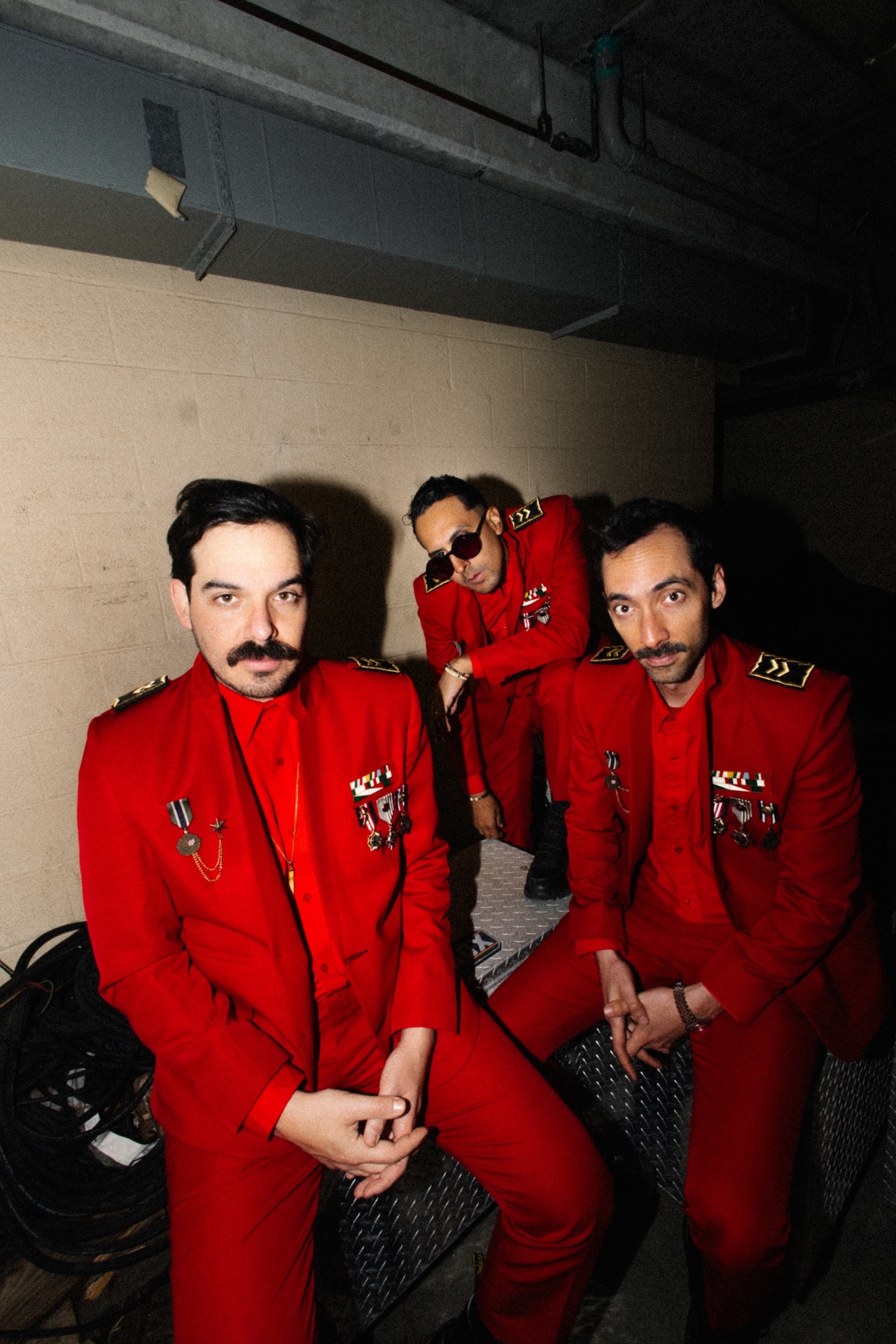




From a place where macaws symbolize freedom and a mountain becomes the emblem of everyday life, emerges a musical project that feels like it belongs to everyone. A band that says out loud what so many think but never dare to articulate. La Vida Bohème has always been more than a band—they’re chroniclers of a generation, explorers of emotion, and architects capable of turning chaos into music. Every lyric and chord sketches a map of what they feel, observe, and carry within them. Their new album, Tierra de Nadie, is no exception.
What sets them apart isn’t just their bold fusion of rock, electronic textures, and Latin rhythms. It’s the way they make each chord and line feel like an invitation into their world—an unstable space where urgency and beauty exist in constant tension. Songs like “Flamingo” became anthems not only for Venezuelans but for an entire generation of Latin Americans who grew up alongside the band’s trilogy (Nuestra, 2010; Será, 2013; La Lucha, 2017), and later with Caribe Caribe (2023), which expanded their artistic universe and now leads to this newest offering: Tierra de Nadie.
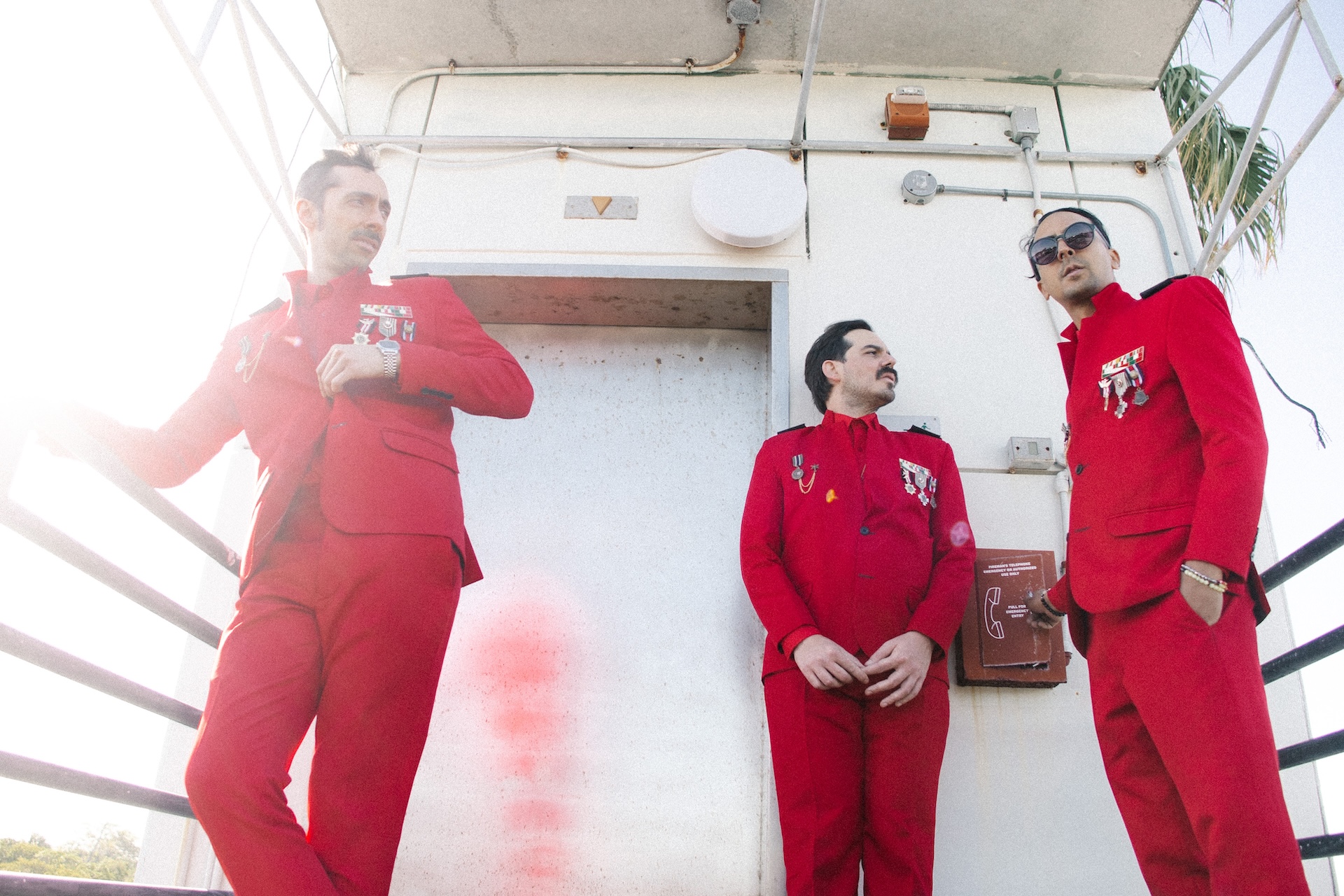
Despite distance, and after sitting with the lyrics of the album, I had the chance to speak with Henry D’Arthenay (vocals), Sebastián “Chevy” Ayala (drums), and Daniel “Monno” Briceño (bass).
The Reunion: A Human Beginning Before a Musical One
The album’s title comes from the UCV—a space that once served as a meeting ground for thousands of students. Today, for the band, it holds a different meaning. As drummer Sebastián Ayala explains: “The band and the songs have become a home for us—and for a lot of people too.” A symbolic home for those who no longer have one in geography, only in memory. A place where old sensations return, where things once thought lost resurface.
That’s the paradox of this album: it’s born from displacement but sounds like belonging. As they put it plainly: “In the void, there’s a kind of union.”
The heart of the album was formed in Montgomery, a small town surrounded by woods where four members reunited after years of separate paths. Chevy and Monno flew in from Mexico City; Henry from Brooklyn, and there they met with founding member Daniel De Sousa.
It’s a new album, but they experience it as a return. The geography was improbable; the emotion simple: reconnecting with how they used to create. Playing for hours, letting ideas surface through jam sessions.
Love, According to La Vida Bohème
The reunion with Daniel, the role of jamming, the spontaneity—everything reminded them of who they were at the beginning. But this time, they approached it with a different awareness.
“We hugged hard, joked around, and within an hour the song was already happening,” Chevy recalls about the birth of “Pobres Románticos.” It’s the song that best captures that sensitivity—the sense that, despite time and distance, they’re still the same. Most of all, it channels the intention Chevy describes as wanting to make someone feel that “they’re not alone.”
That’s the true pulse of the album: companionship.
The music resurfaced from trust—from a familiarity that never fully broke. Henry remembers the moment the lyrics came: “I woke up at six in the morning and the words just poured out. That almost never happens.”
Monno describes the process as “too perfect,” the kind of natural alignment where melody and phrasing remain nearly untouched from the moment they appear. The song is intentionally intimate, beginning with the band and ending with the listener—inviting them into a feeling: you’re not alone.
Caracas: In Another Life, Another Story
Even though the album isn’t about Venezuela, Venezuela appears anyway.
Sometimes as a shadow.
Sometimes as imagined scenery.
Henry says it clearly: “The artwork is a coping mechanism for loss… Not so much a tribute to what happened, but a way of taking what’s already part of our reality and giving it new meaning.”
That’s why Tierra de Nadie reconstructs a city that exists and doesn’t exist at the same time—through spectral statues, primary colors, and an Ávila mountain reimagined through memory and distance. It’s a possible Caracas built from what remains in the body of everyone who has lived there, brought to life by a multidisciplinary team that includes sculptor Carlos Jairran and VFX specialist Arianna Ignacia.
The Value of Opening the Door
“Let go.”
“Have fun.”
“Don’t take it so seriously.”
Those are the words they would tell their younger selves—more than ten years after releasing their first album.
In that simplicity, there are years of weight.
Today, La Vida Bohème creates from a place of clarity—from the knowledge that they’re still here because they found each other in time, because they listened, because the bond between them has always been stronger than the noise that once defined them. “There’s a part of what we do that goes beyond being a rock band,” Henry says. “It has to do with the emotions that arise when we stand in front of people—many of whom have felt very alone.”
In the territory where nothing belongs to anyone, they found a way to remain themselves—to accompany a feeling shared by so many: the search for peace in what remains.
And perhaps that’s why Tierra de Nadie isn’t just an album.
It’s proof that even what breaks can still become home.
Don’t miss your chance to catch La Vida Bohème live alongside Simon Grossmann this Saturday, December 20th at ZeyZey Miami. Grab your tickets here.