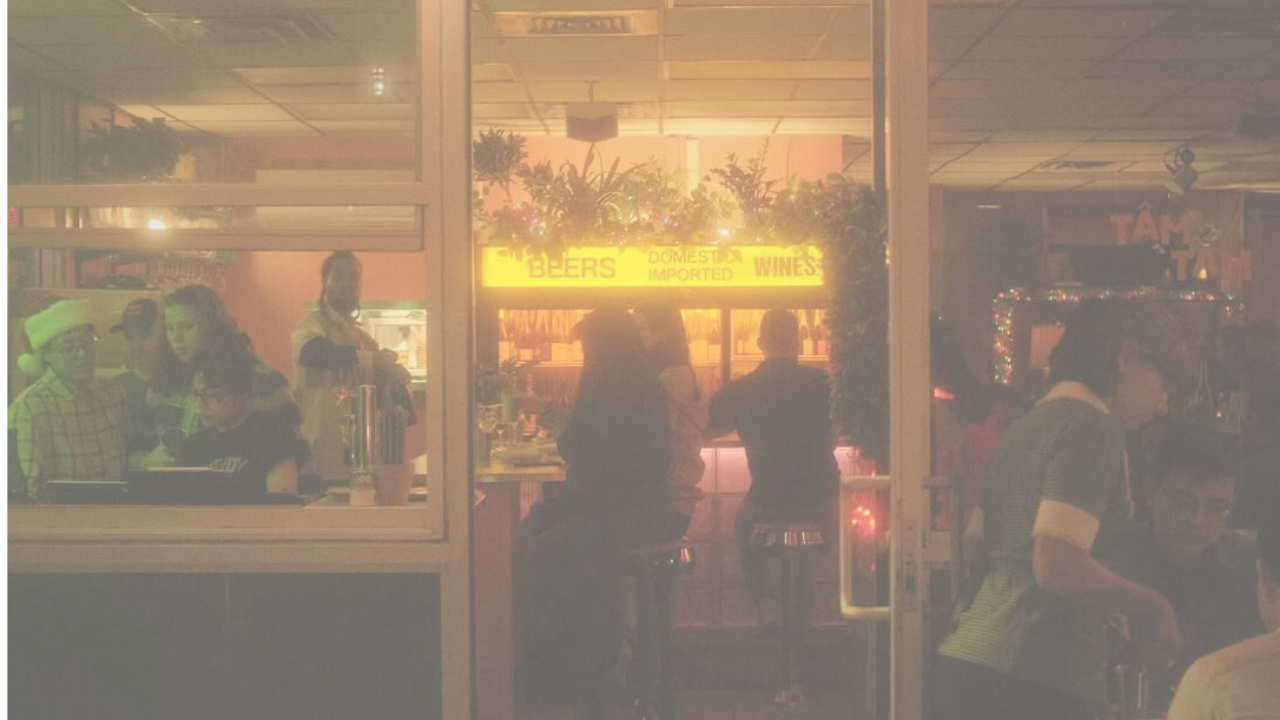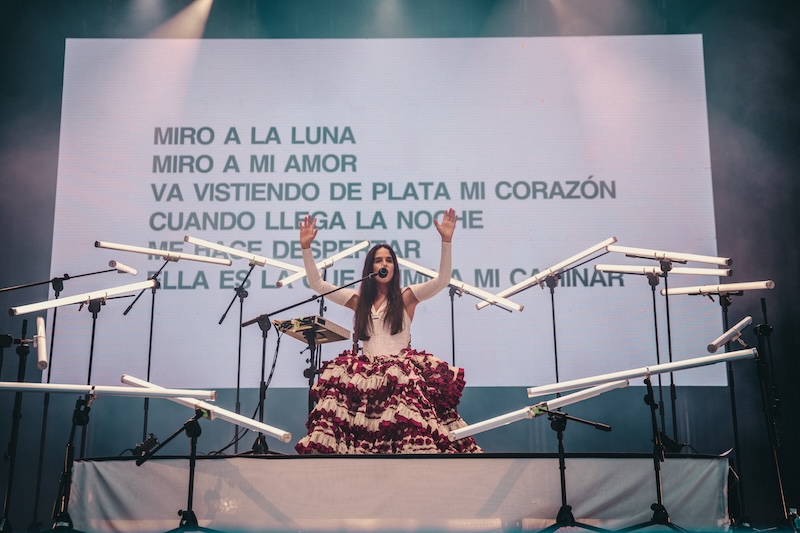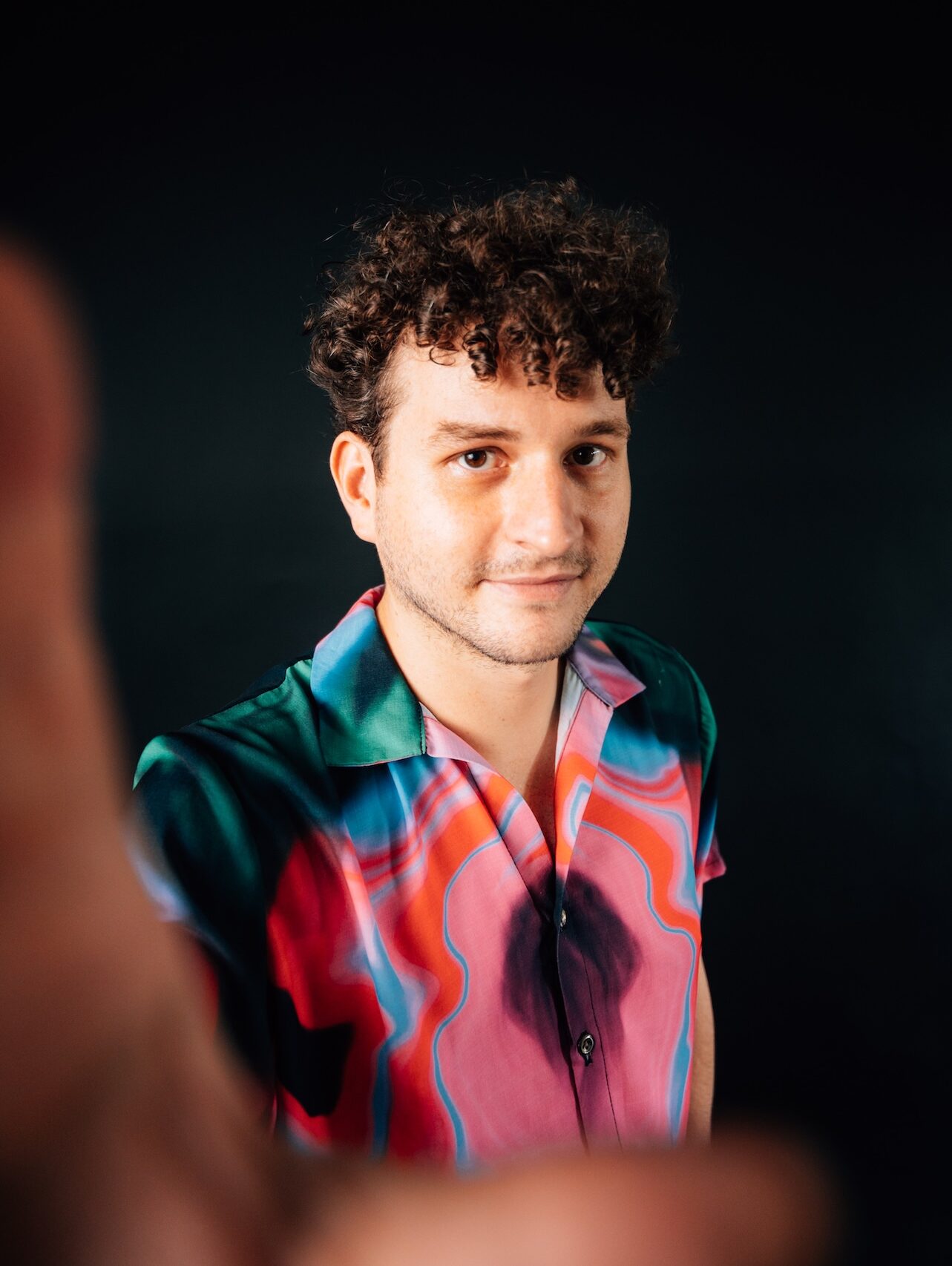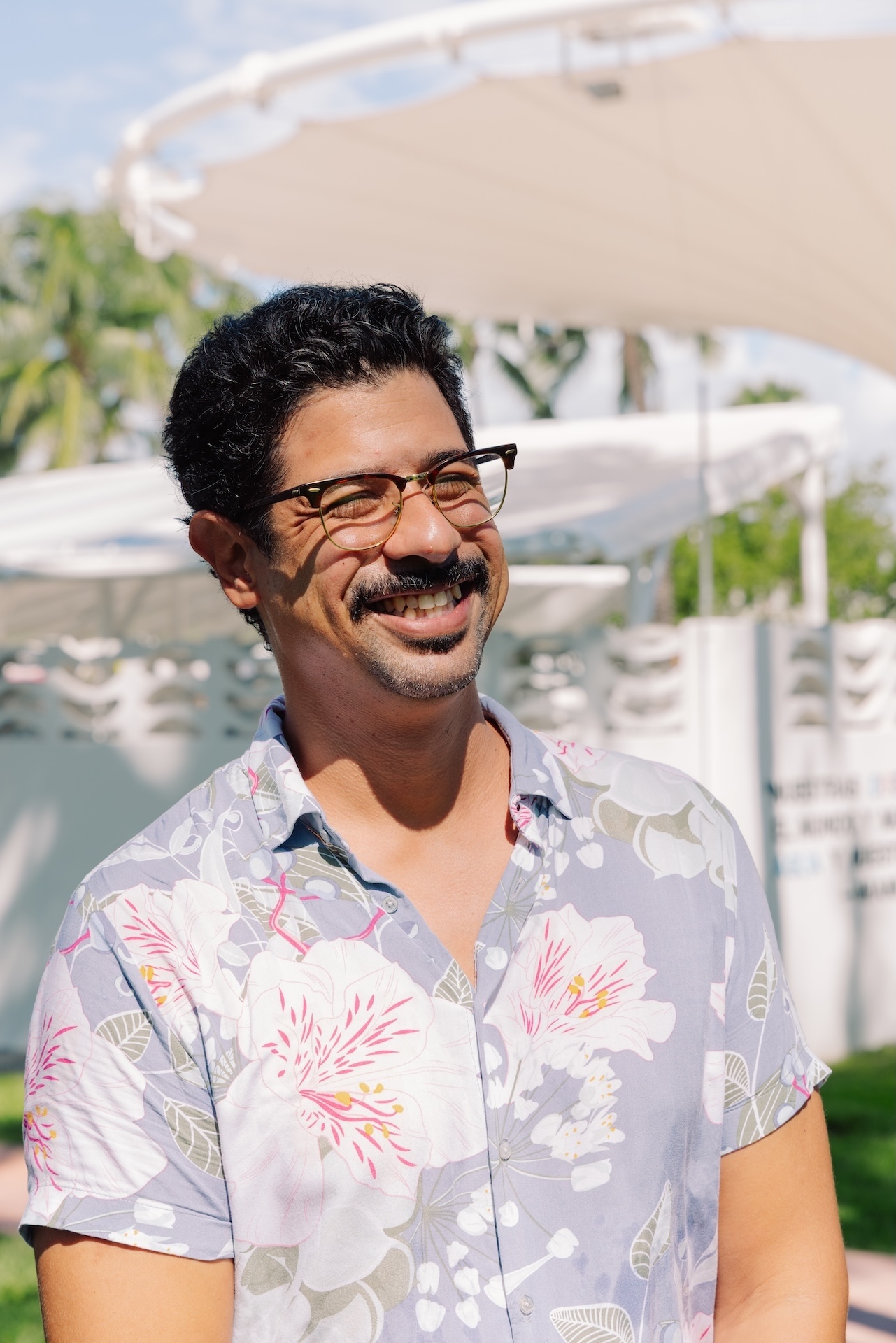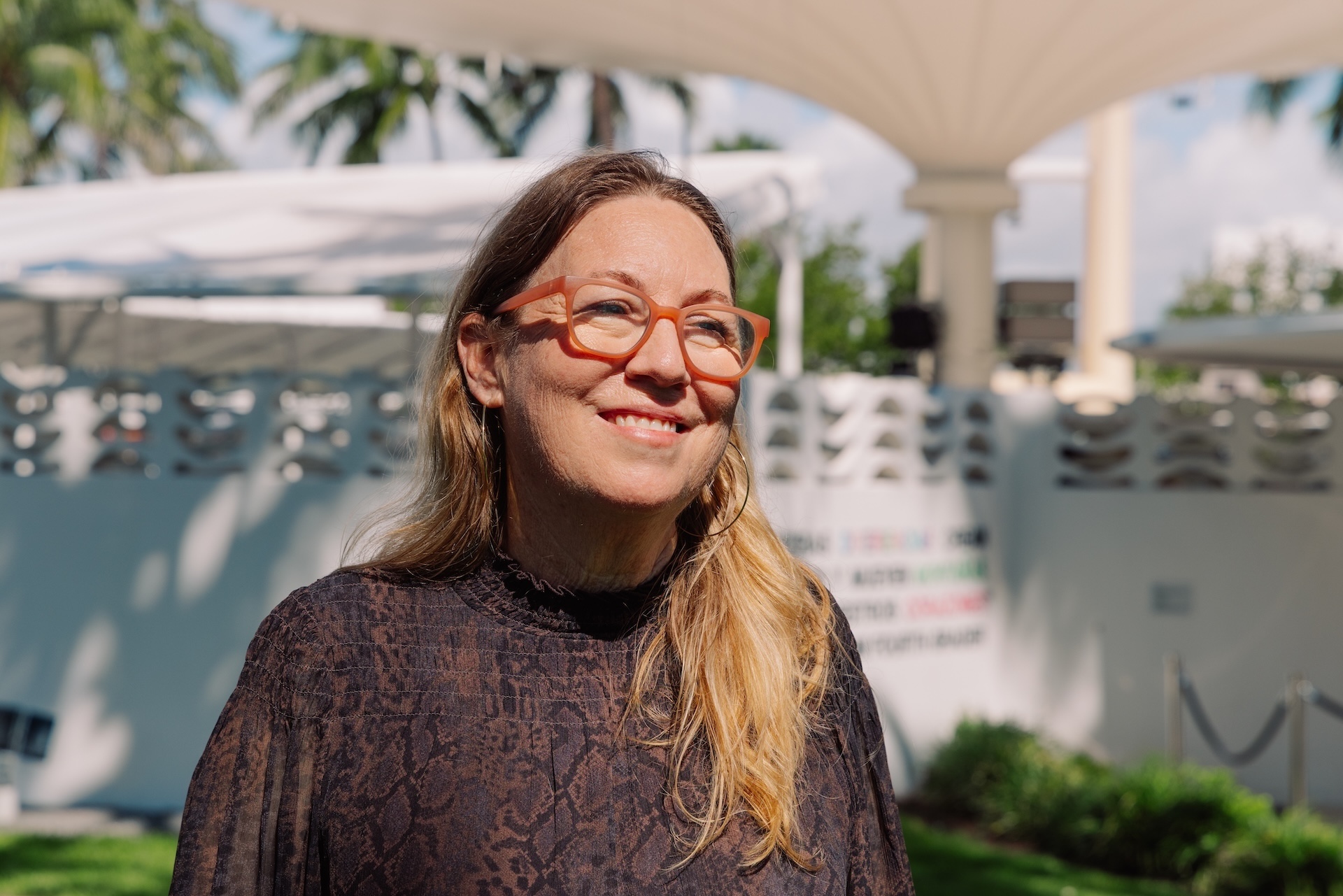




When Laura Quinlan says that live music is “as important to me as food, water and air,” she’s not speaking in metaphor. The Rhythm Foundation’s longtime Program Director isn’t just part of the city’s music scene — she’s been marinating in it since childhood. Her father, a bandleader during Miami Beach’s Rat Pack heyday, gave her a backstage pass to a life of sound, rhythm, and community. That inheritance has since morphed into a four-decade-long journey curating some of the most vital cultural moments Miami has ever witnessed.
And through it all, the Rhythm Foundation has remained a North Star.
From Cameo to Cultural Anchor
The story begins, appropriately, on stage. Born out of the legendary Cameo Theater in South Beach in the late ’80s, the Rhythm Foundation was initially an itinerant presenter of global sounds. But over time, as Miami grew into its identity as a vibrant cultural crossroads, the Foundation grew with it — evolving into a place-maker, venue manager, and now, in the words of Executive Director Adam Ganuza, a “budding media company.”
“Rhythm Foundation has gone from itinerant cultural presenter, to placemaker, to venue manager, to budding media company,” Ganuza says. “Our city has changed incredibly since the late ’80s, and RF has adapted and evolved right alongside it.”
Still, at its core, the mission has never wavered: build bridges through live music.
Moments That Mattered
Rather than one linear milestone, Quinlan sees Rhythm Foundation’s history as a body of work — a collage of cultural moments, global collaborations, and neighborhood roots. But a few standout moments have helped crystallize the Foundation’s significance. Over the years, Rhythm Foundation was behind bringing some of the world’s most well-known voices to South Florida for the first time. Names like: Manu Chao (2011), Caetano Veloso (1997), Ibeyi (2016), Cimafunk’s first public performance (2019), and let’s not forget the epic Arcade Fire performance at the Little Haiti Cultural Arts Center in 2013.
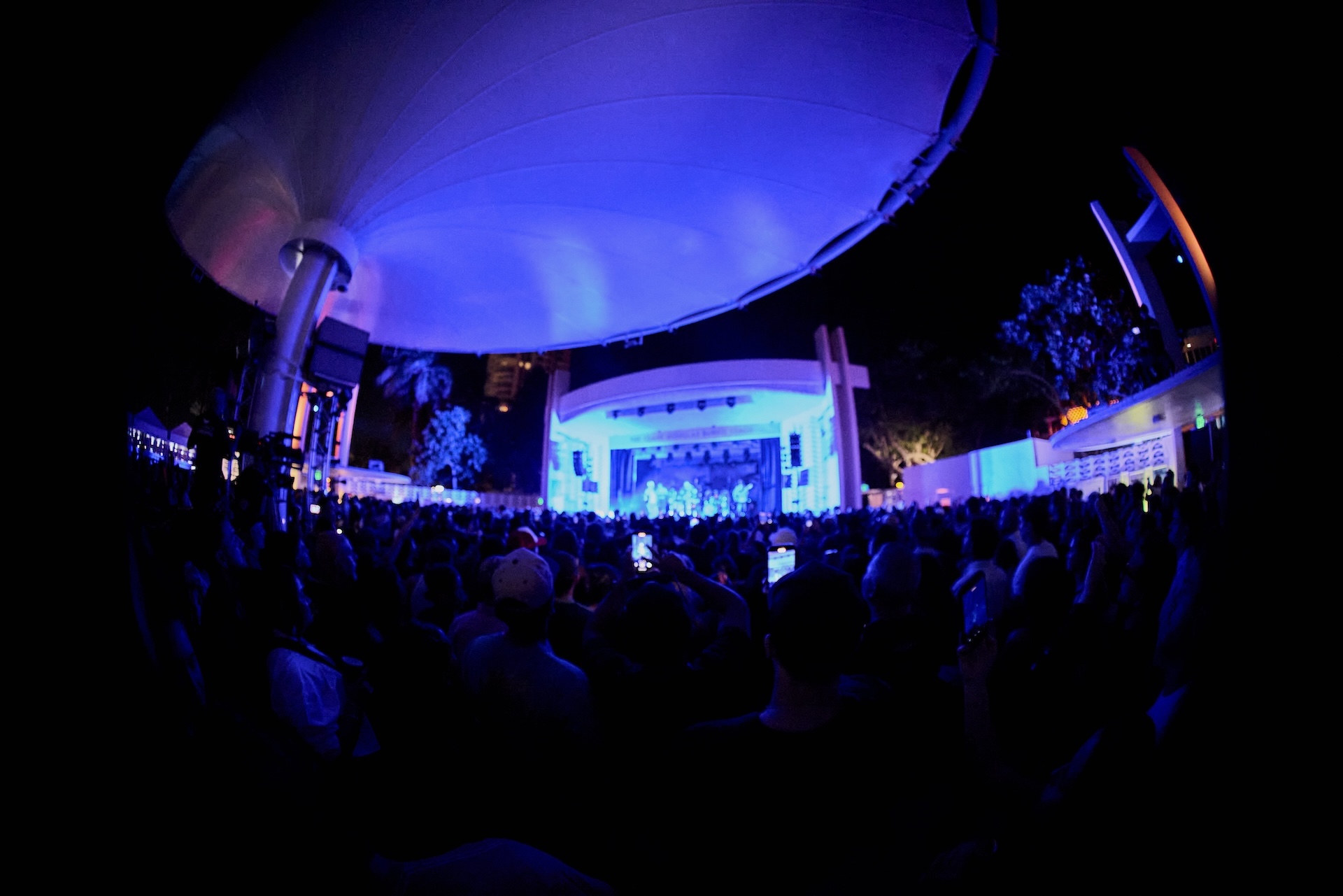
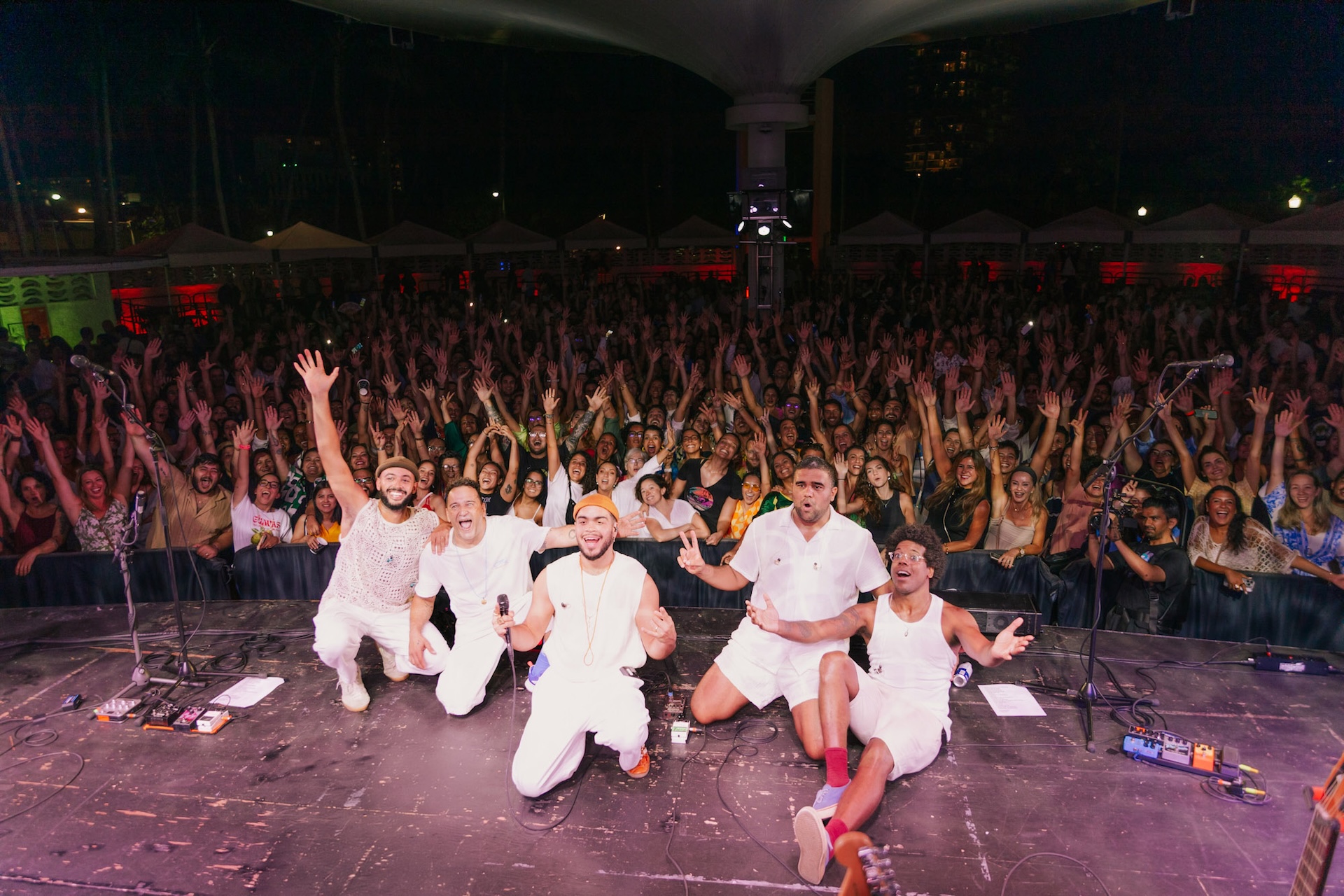
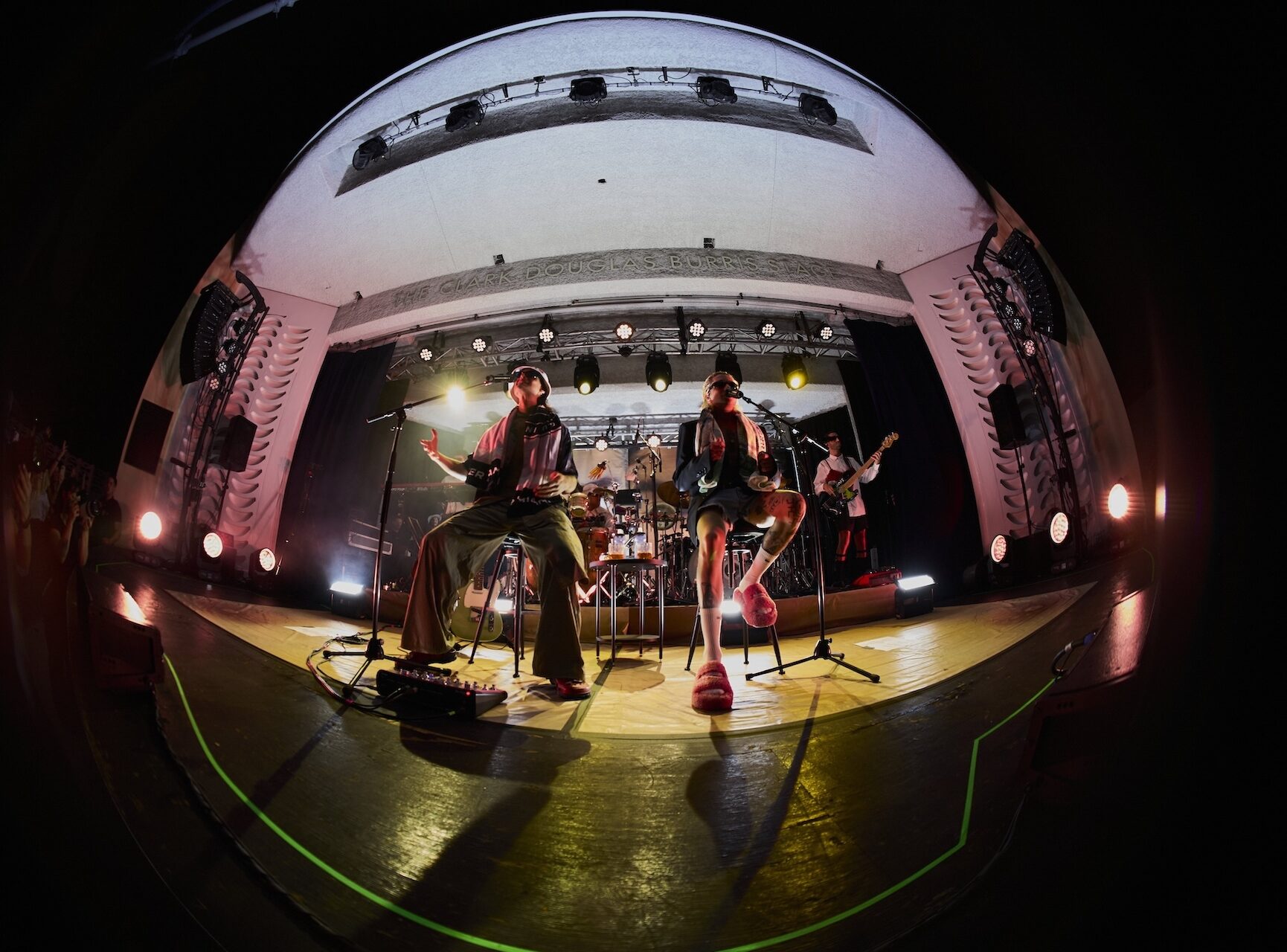
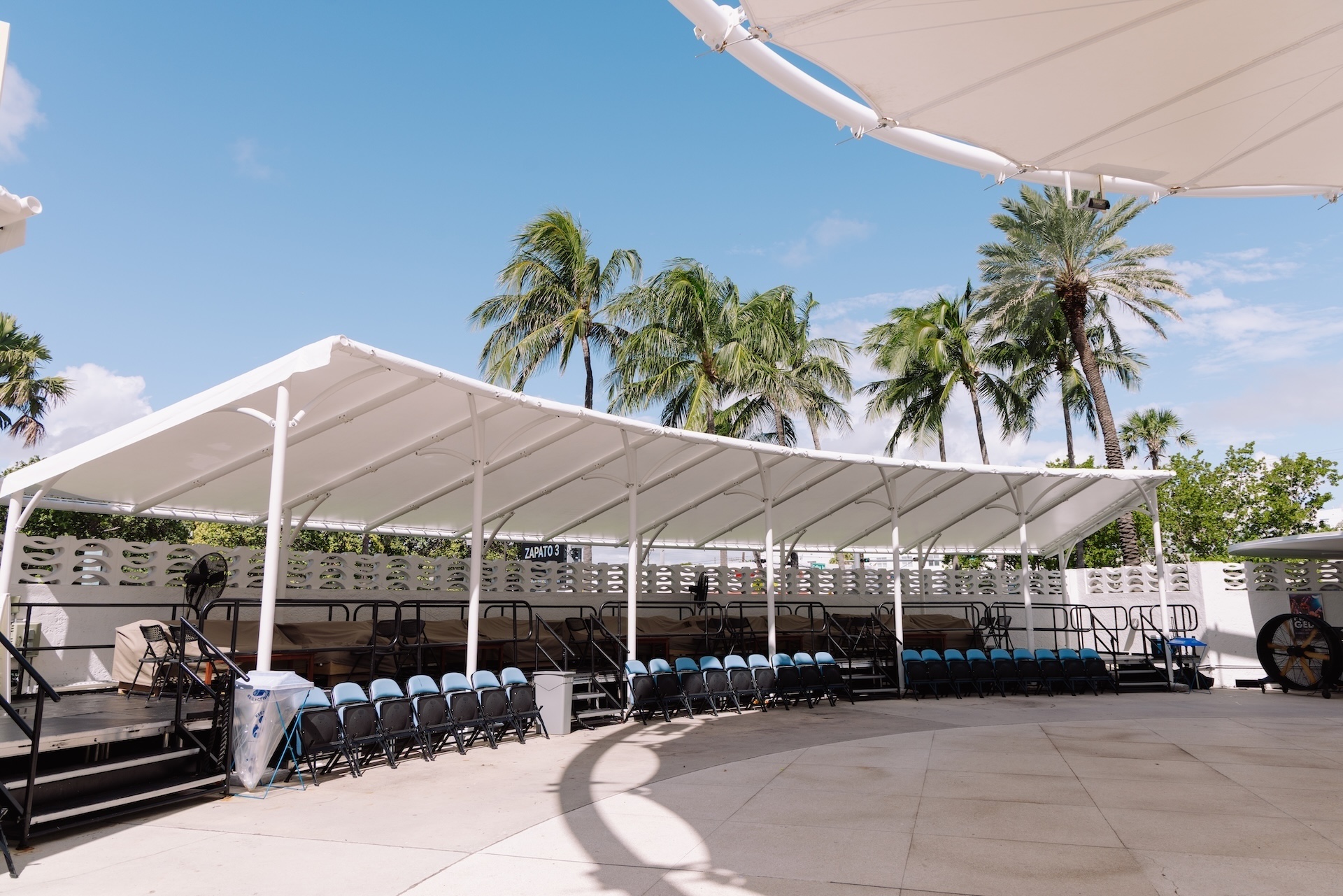
And then in 2014, a seismic shift. That’s when the City of Miami Beach offered up management of the North Beach Bandshell, and Laura wasn’t going to let it go to just anyone. “I grew up in North Beach, rollerskated at the Bandshell as a kid. There was no way anyone else was getting to manage my Bandshell,” she says with the kind of possessive joy only someone deeply rooted can understand.
Today, that venue is a crown jewel not just for the Foundation, but for the city itself.
A Global Lens with Local Soil
From Brazilian legends and Afrobeat pioneers to the first Florida appearances of bands like Bomba Estéreo, Tinariwen, and Beirut, the Rhythm Foundation’s curation is as eclectic as it is intentional.
“We need to be completely excited about that artist,” Quinlan explains. “That enthusiasm helps connect with and build an audience.” Whether she’s tapping into new rhythms through indie-club hybrids like the TransAtlantic Festival, or grounding programming in diasporic storytelling through series like Big Night in Little Haiti, Laura curates from instinct and cultural sensitivity.
And while global talent is a staple, Rhythm Foundation is deeply enmeshed in Miami’s own cultural fabric. The pandemic made that clear. When international acts couldn’t travel, the organization turned inward, live-streaming local talent, creating open-air experiences, and strengthening bonds across neighborhoods and genres.
“We were able to travel the world without leaving town,” Laura says. “We learned so much, so quickly.”
The Arts as Compass and Mirror
For Ganuza, the Rhythm Foundation’s value extends well beyond sound.
“Arts organizations create spaces for cultural exchange,” he says. “In the context of growing polarization and loneliness, we could all benefit from coming together.”
Through a “triple bottom line” lens — culture, community, commerce — the Rhythm Foundation defines impact not just in ticket sales, but in whether a program supports local artists, elevates other nonprofits, and contributes to a broader sense of belonging.
“When we give away tickets to seniors, we don’t expect anything back,” he adds. “We do it because it’s a good thing for the community and our neighbors.”
That deep community trust recently paid off…literally. When the organization’s contract to manage the Bandshell was up for renewal, public support flooded in, solidifying their continued stewardship of the historic venue.
What Comes Next?
As the Rhythm Foundation approaches its 40th year, it’s not slowing down. With concert films streaming on YouTube, more programming in the pipeline, and whispers of new initiatives just over the horizon, the organization is thinking expansively.
“I’m most excited about the growth of the RF universe,” Ganuza teases. “There are a number of really exciting projects in the works.”
For a foundation that has always been ahead of the curve, from bringing Paco de Lucía to South Florida, or giving a stage to the new “sound of the world,” we’re more than happy to wait.
Miami, in Many Tongues
Trying to pin down the “Miami Sound” would be missing the point. “There are so many ‘Miamis,’” Quinlan reflects. “I feel blessed to dip my toes into them through my work. It’s important to foster Miami’s music scene alongside bringing international names because Miami’s music scene IS international names. We have the absolute best of the cultural world of the Americas living and working in Miami.”
And maybe that’s the secret to Rhythm Foundation’s enduring success: it doesn’t define Miami, it listens to it.
As Laura puts it: “Miami means: stay fluid.”
For more on upcoming shows at the Miami Beach Bandshell, stay up to date on www.tigresounds.com
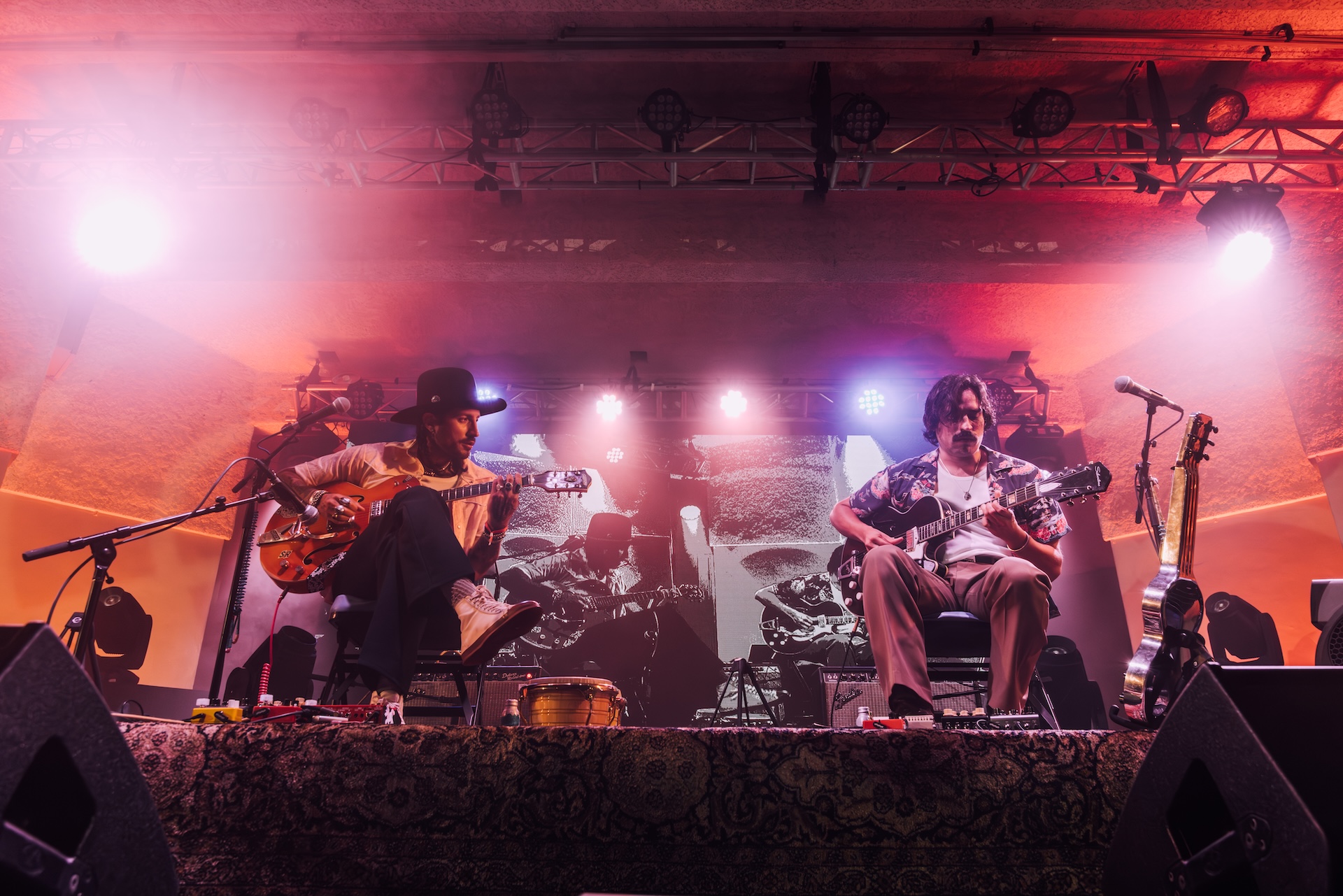
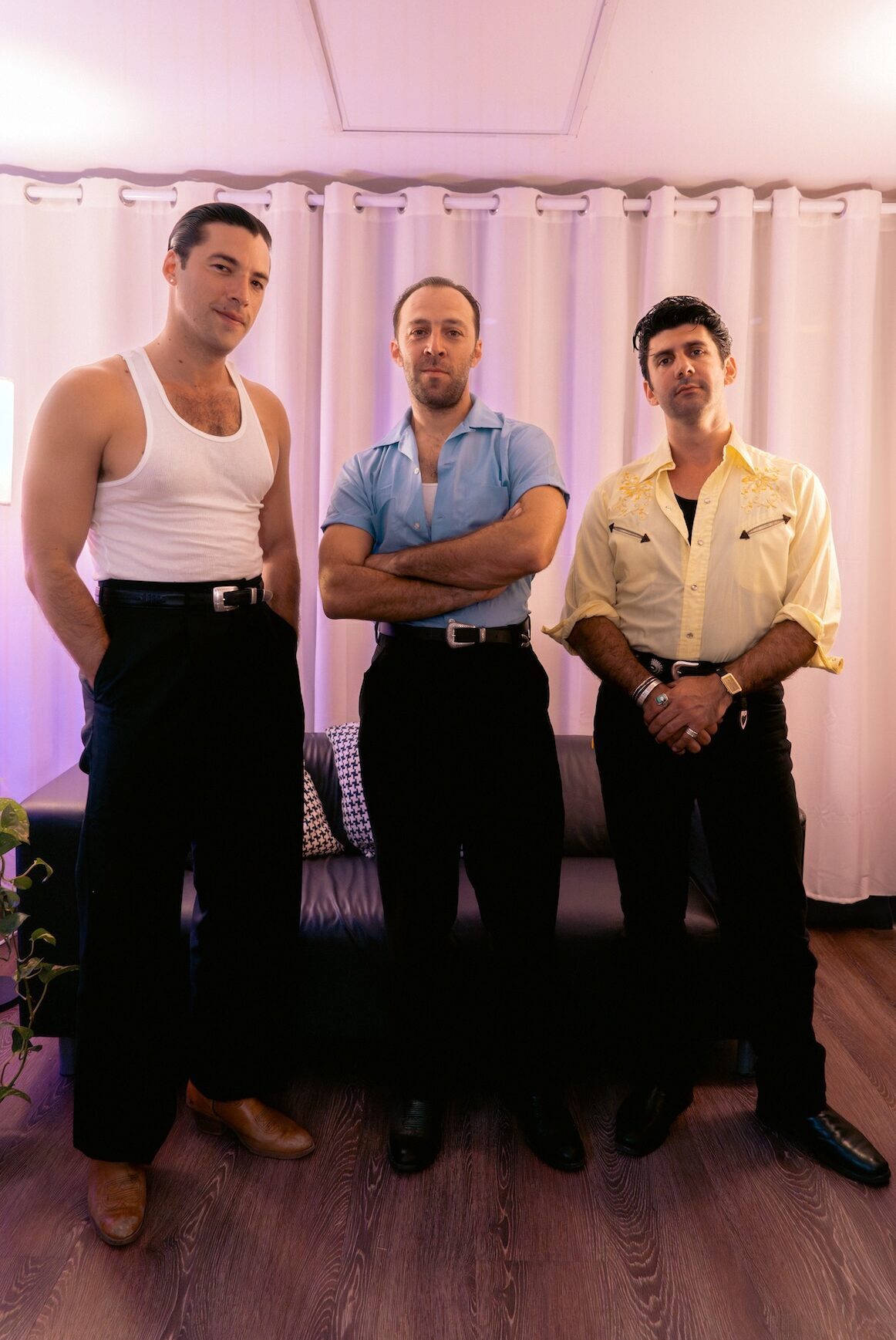
Rhythm Foundation Team Photos by Valerie Chaparro.
Hermanos Gutierrez Photos by Daniel Zuliani.
La Lom Photos by Brooke D’avanzo.
Gilsons Photos by Kat de Barros.
Ca7riel y Paco Amoroso Photos by Seba.