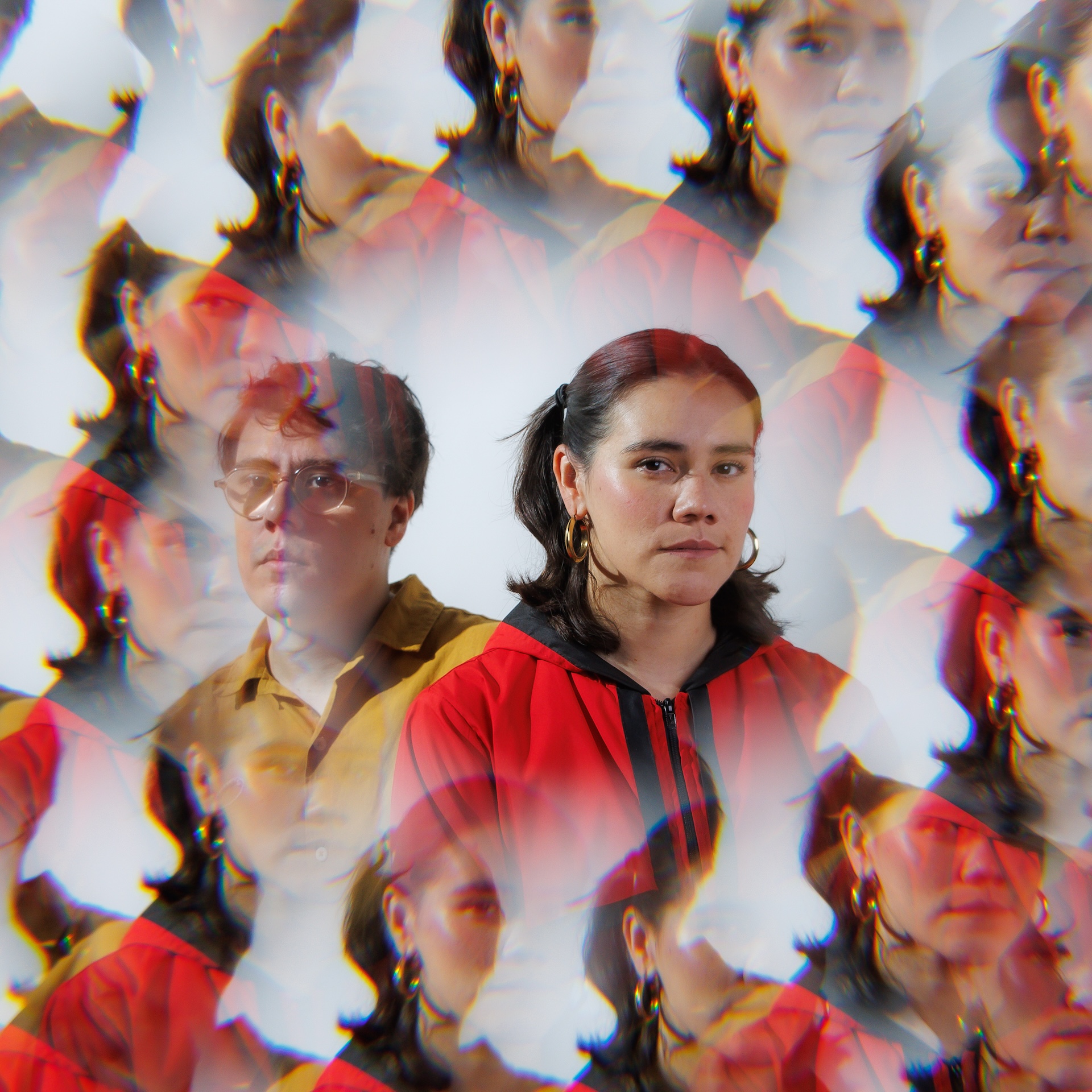




In February 2020, siblings Paulina and Raúl Sotomayor were celebrating. Their third studio album, Orígenes— a true gem of Latin alternative electronica — had just been released. The record marked a milestone: working with multi–Grammy winner Eduardo Cabra (aka Visitante) and, for the first time, releasing their music through a U.S. label, Wonderwheel Recordings.
But just as their international breakthrough seemed inevitable, the world hit pause. The pandemic brought Sotomayor’s journey to a halt, forcing both artists to adapt and find new creative paths. Raúl began producing for artists across genres and nations while launching his own project, Tonga Conga. Paulina, in turn, gave life to Pahua, her solo venture that took her around the globe, collaborating with musicians from all over.
Yet, as life always finds its rhythm, the call of blood returned. When two creative minds who’ve known each other since birth reunite in a studio, magic happens. Last year, Pau and Raúl came together once more — and in just two weeks, they wrote 30 songs. From those, ten made the cut, forming their long-awaited fourth studio album, Wabi Sabi, set to be released in early 2026.
“I really missed making music with my brother,” Pau shares. “We’ve always had a special way of blending our ideas — everything just flows. Music has always been a powerful bond between us.”
“The pandemic separated us a lot,” Raúl adds. “Before that, I talked to my sister every day — there was always something to solve. Then suddenly everything stopped, and we went our own ways. Making this album was, above all, about reconnecting. It was something we both deeply needed.”
A dream team reunited
While the heart of Sotomayor remains the sibling duo, fate had another alignment in store: the return of those who helped shape Orígenes. Together, they’ve crafted a dream trio for Wabi Sabi.
Latin powerhouse Eduardo Cabra returned to refine the tracks, bringing structure, balance, and a new layer of musical depth — all from his studio in Puerto Rico, where they had collaborated years before.
“Working with Eduardo this time was more spiritual than technical,” Raúl explains. “Since Orígenes, he’s become a close friend and work partner — this is our fifth or sixth project together. He’s been a kind of spiritual guide in my life.”
“It was so special,” Pau adds. “We spent several days in Puerto Rico, reliving stories from our first visit. It wasn’t just about working — it was about connecting, sharing, and being inspired by Eduardo’s life and energy.”
Also back in the mix are Nickodemus and Aaron “DRM” Schultz, the DJ/producer duo behind Wonderwheel Recordings, whose global, eclectic approach adds that signature independent flair that has always defined Sotomayor’s sound.
New pulse, familiar soul
Though Wabi Sabi began as an album of more DJ-oriented, electronic tracks, the songs organically evolved into something unmistakably Sotomayor — music that feels alive, intimate, and deeply human, yet always ready for the dance floor.
“These aren’t just tracks to dance to,” Raúl notes. “They’re songs that tell a story — that capture how we felt in a very specific moment of our lives.”
“The songs dive into a range of themes,” Pau adds. “They’re powerful, introspective, and emotional — touching on resistance, identity, ancestry, and human transformation.”
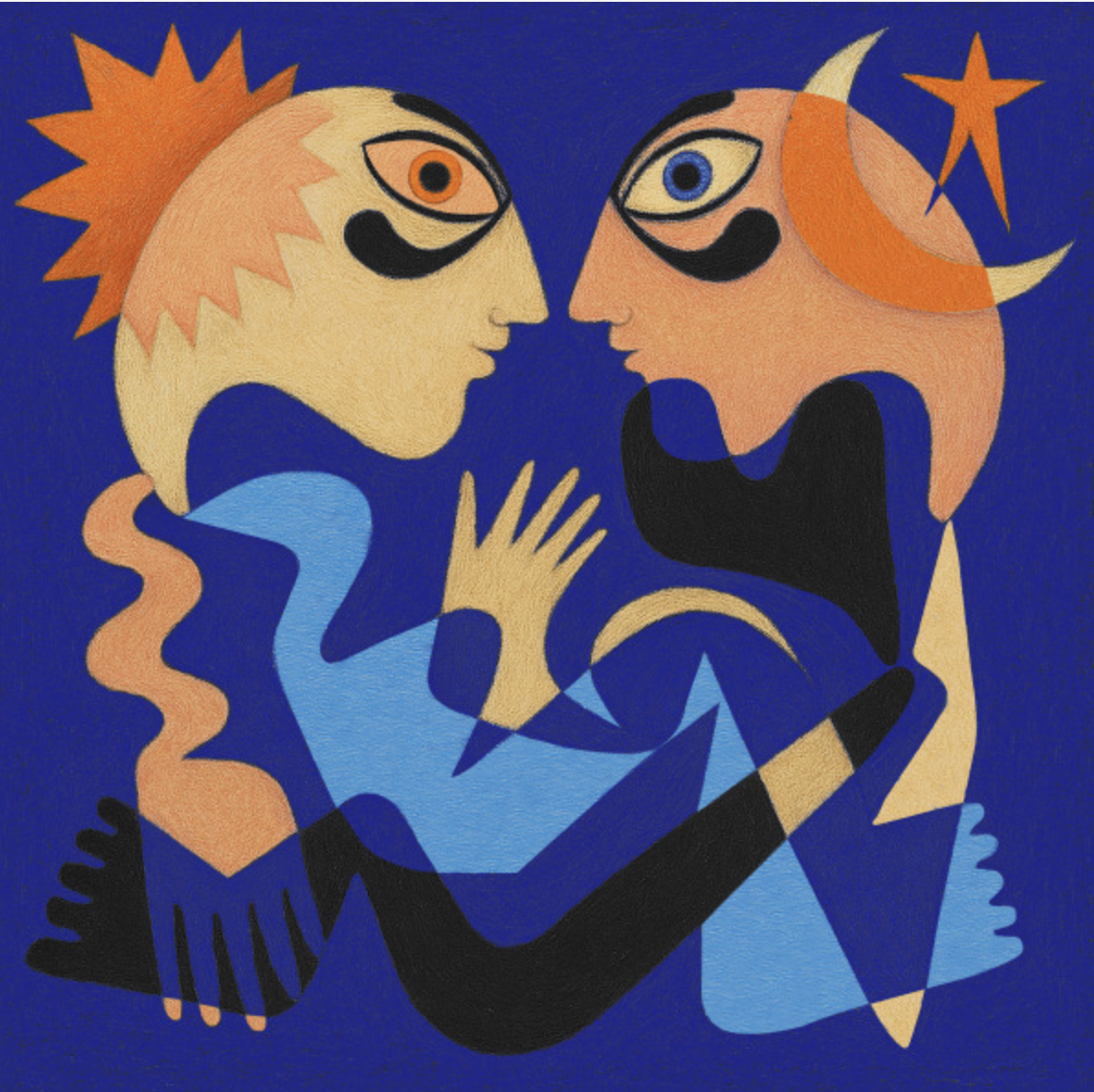
The first singles, “Who’s there” and “Vida,” arrive as a fluid, two-part release that reveals both sides of Sotomayor’s sonic universe. “Who’s there” is a darkly hypnotic track built on a pulsing bassline and lyrics that call for unity through memory — electronic nostalgia at its finest, with synths that transport you to the past and a beat that makes your whole body move. “Vida” speaks of resilience and radiance, celebrating the spaces that make us shine, wrapped in a lush blend of future garage, house, and electronic textures.
Holding their ground
The music landscape of 2020 and that of 2025 are worlds apart. Today, only a few genres dominate vast audiences and territories, while opportunities for alternative music continue to shrink. Independent artists face industry giants that monopolize visibility, and musical projects have become increasingly fleeting.
That’s why this comeback is more than a return — it’s a statement of resistance and resilience. Sotomayor stands as proof that Latin — and especially Mexican — music doesn’t need to conform to trends to sound fresh or authentic.
Their legacy is undeniable. As Raúl recalls, “YoSoyMatt once told me at a party: ‘You guys paved the way for artists like me to exist.’”
“When we started ten years ago, Sotomayor didn’t quite fit in,” Raúl reflects. “But we found our place. And if we found it once, we’ll find it again.”
Even after five years of silence, Sotomayor never truly left. Their essence, lyrics, and sound have been quietly hibernating — and now, with “Who’s there / Vida,” they’re back, glowing brighter than ever, ready to reconnect, redefine, and make the world dance again.
Photos via Sotomayor