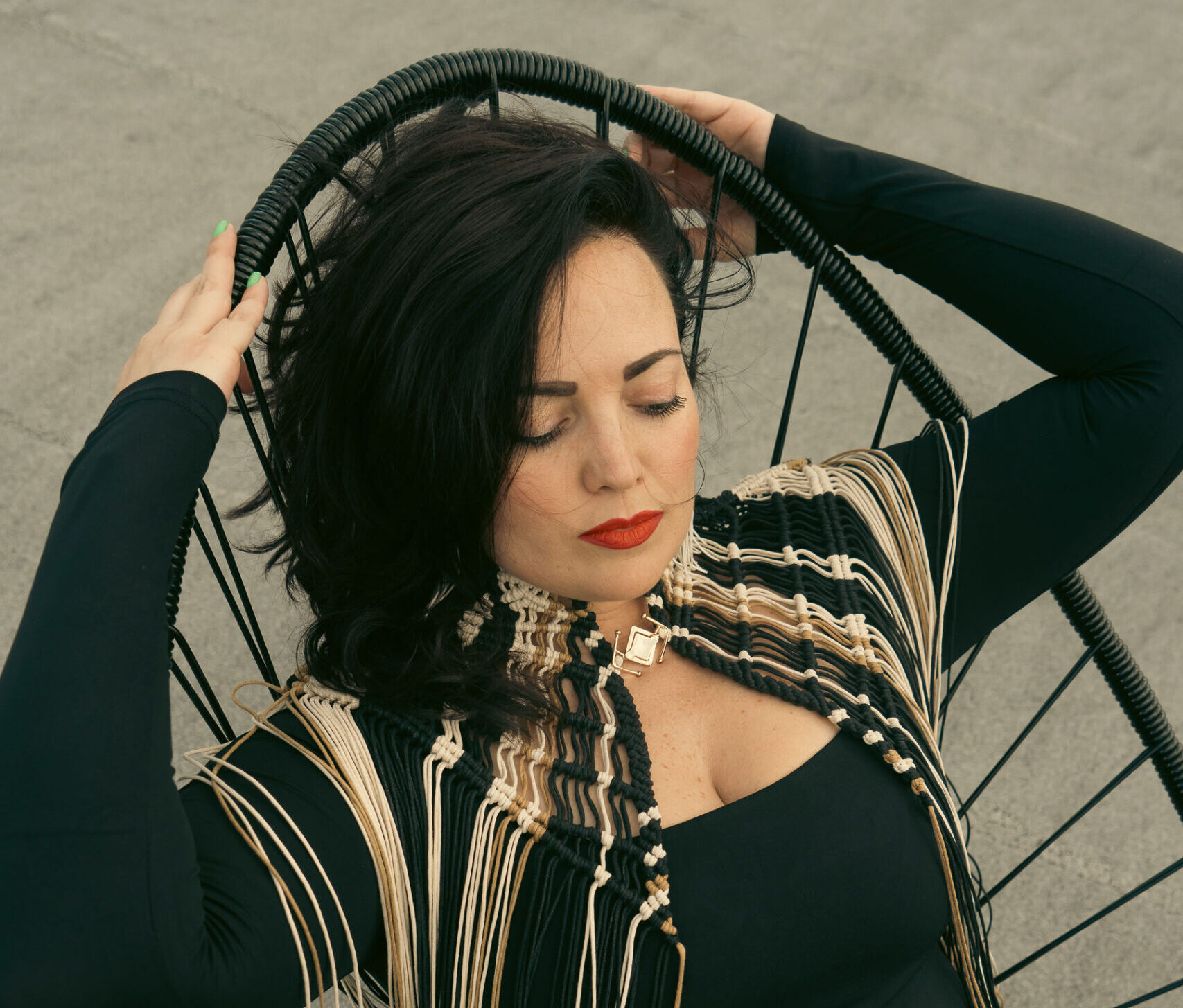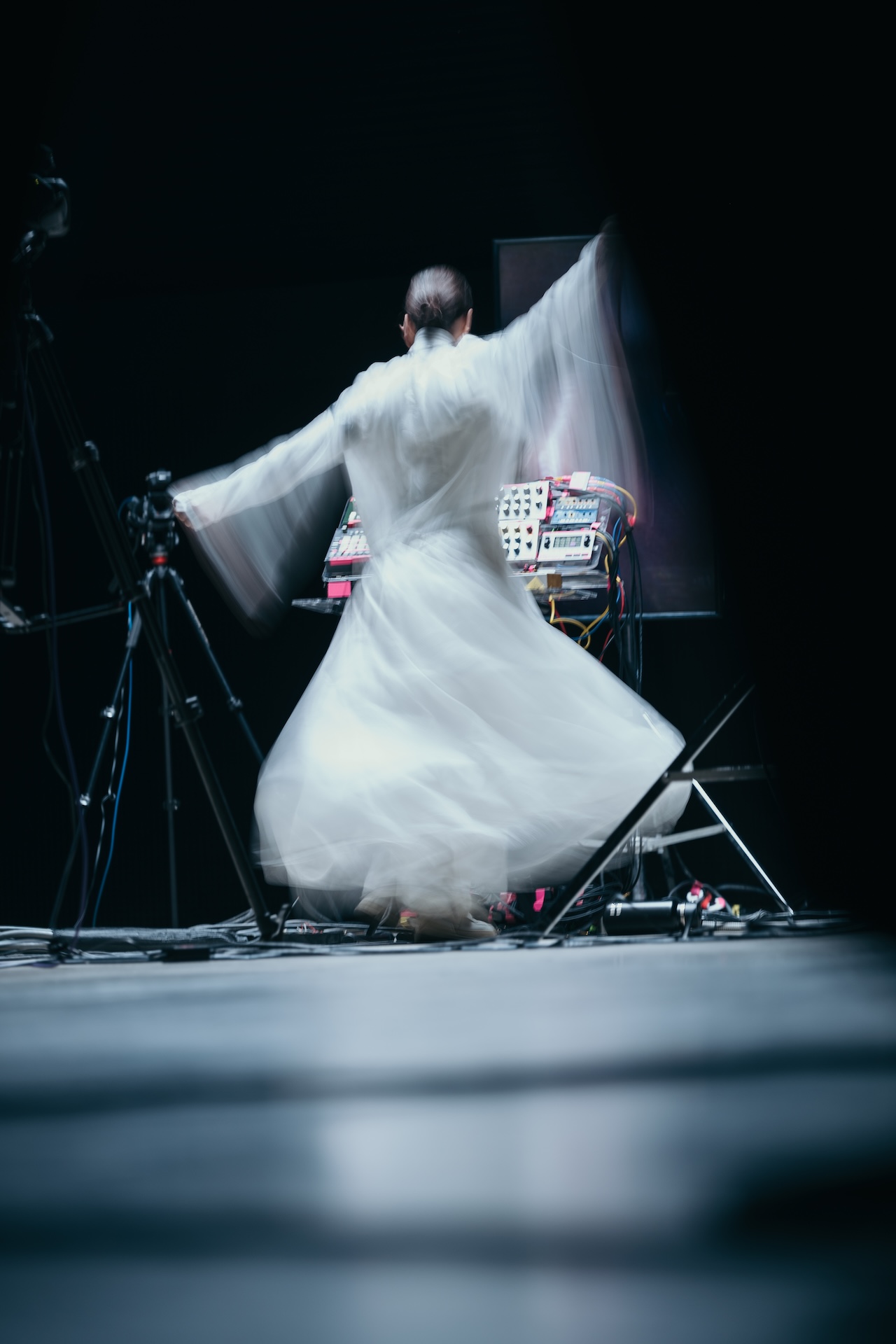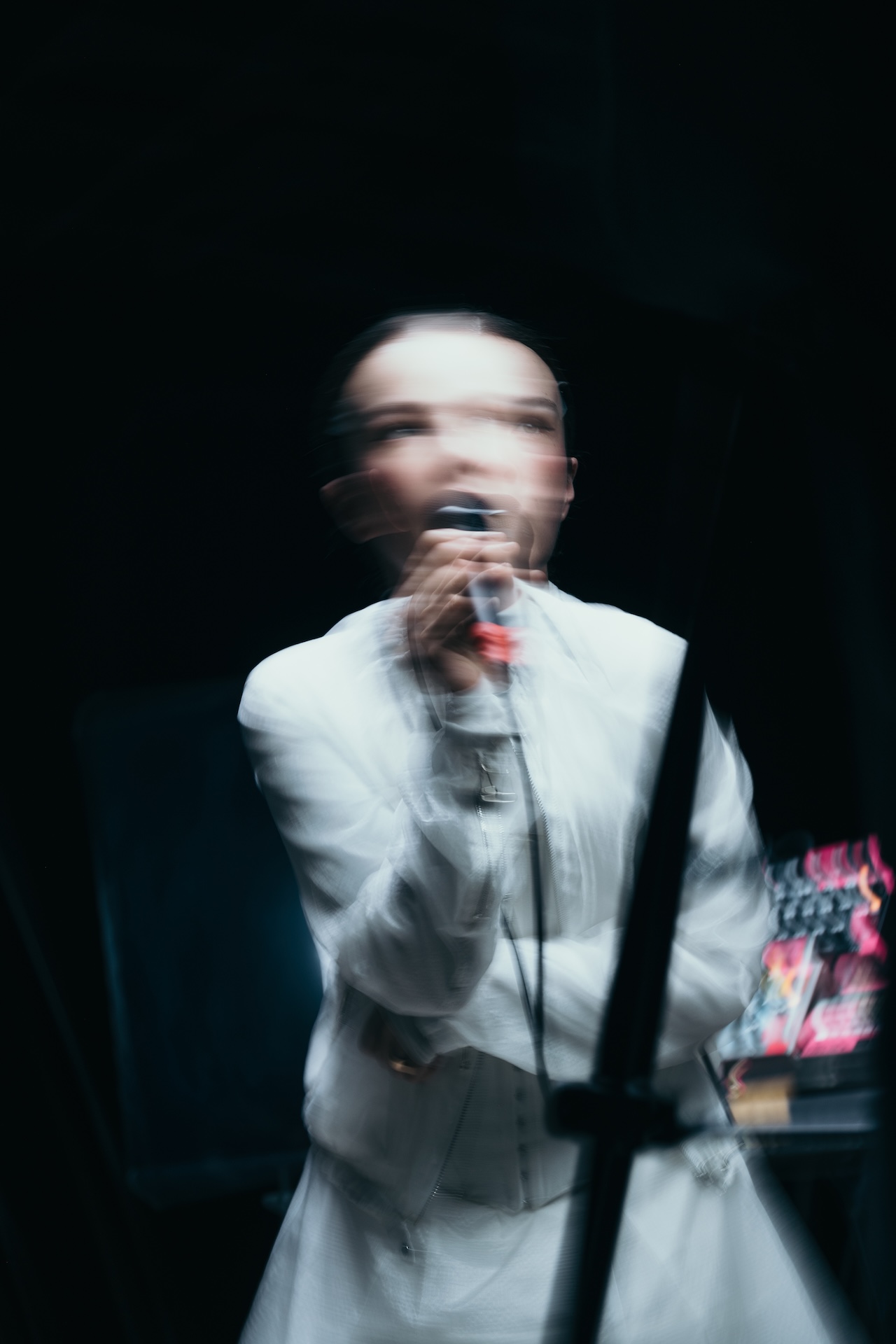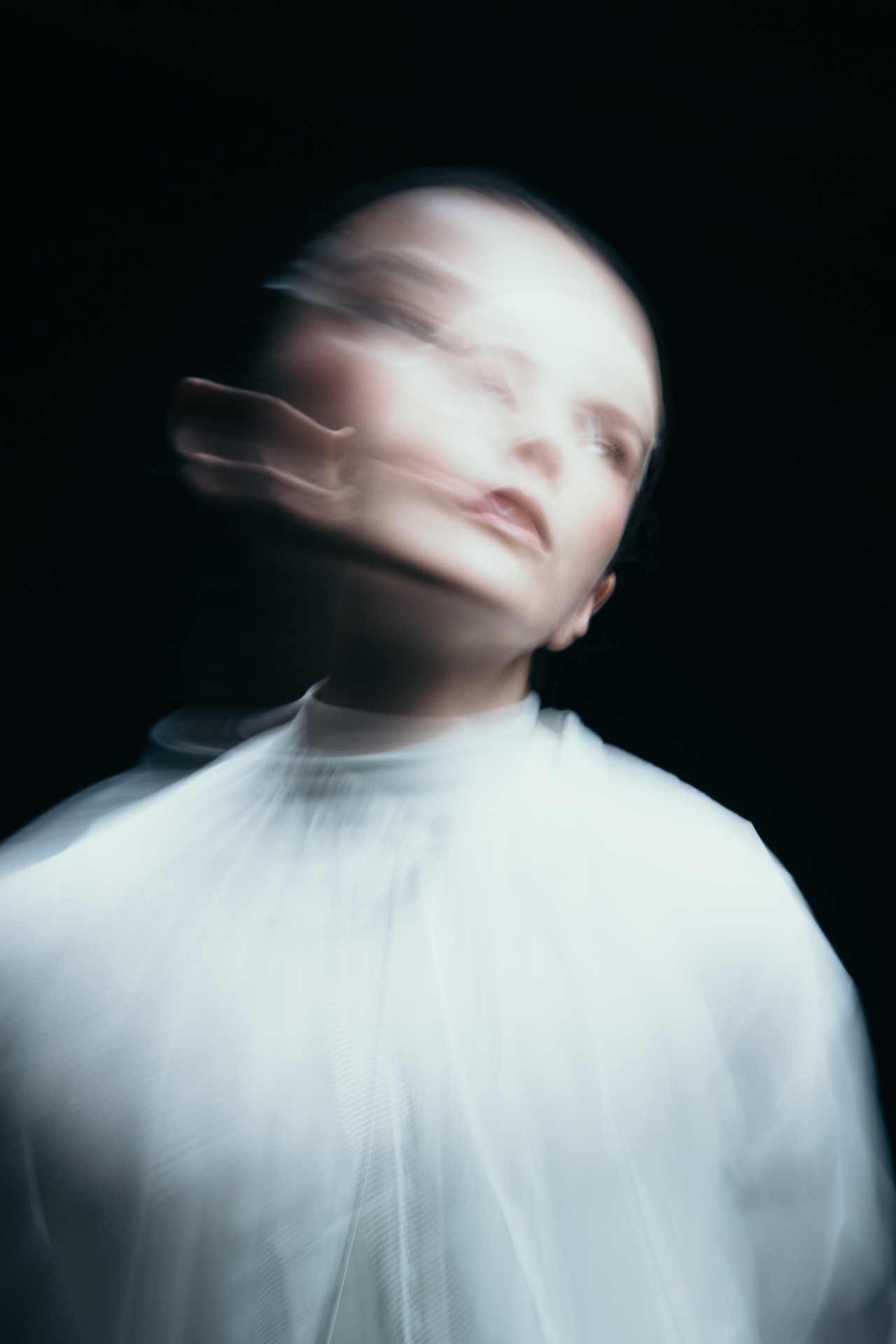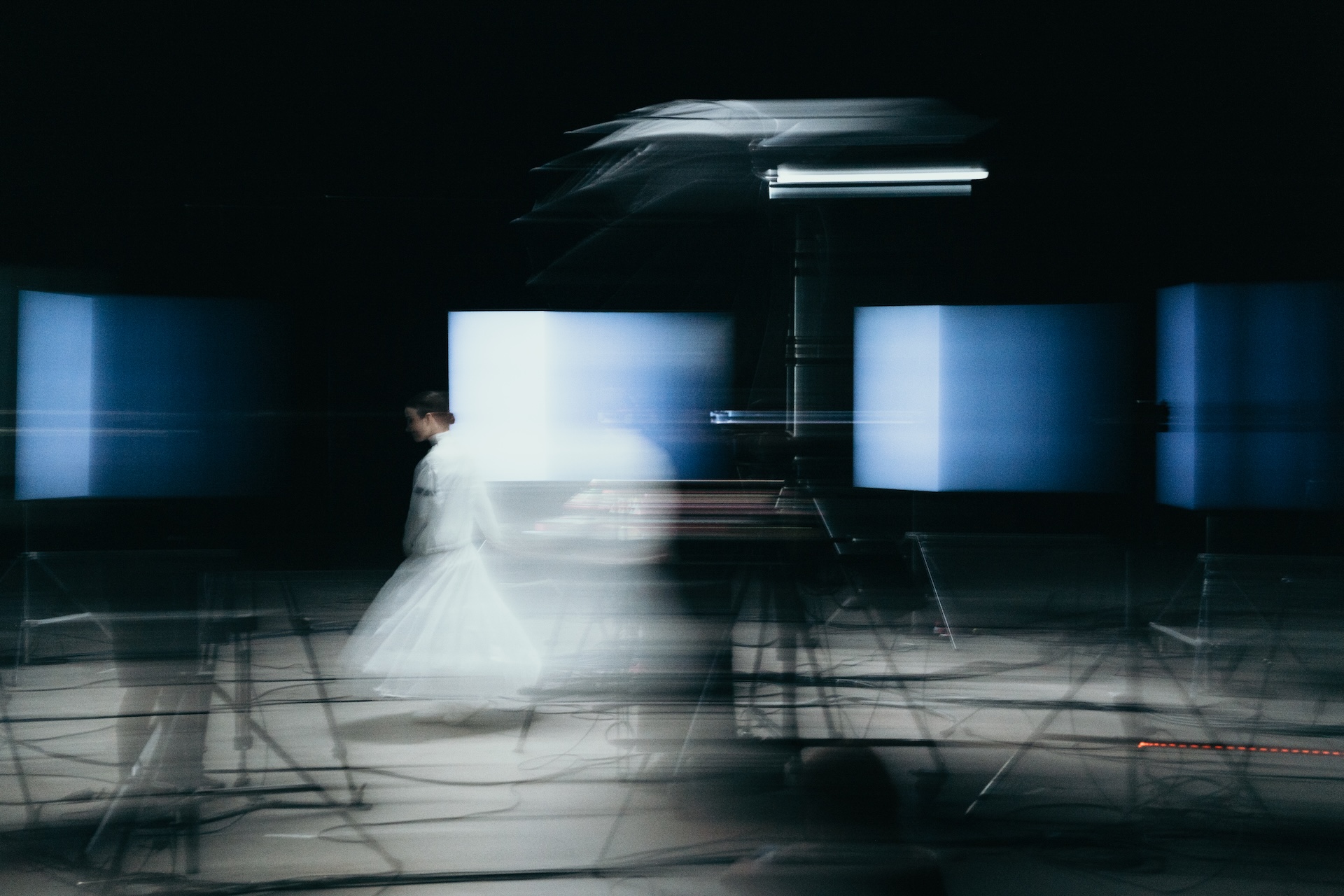




It’s not often that we meet an artist who gives us a true peek into their soul – but that was the case when I sat down with Ela Minus. From the first few minutes of our conversation, it was clear that Ela isn’t just creating music; she’s building portals. My only regret was that our forty-minute exchange had to happen through a screen, and not across a table, where I could feel the full electricity of her presence.
On her last day in CDMX, Ela had been wrapping up a production workshop at Panoram Studios. As I later learned during our conversation, teaching is something she’s deeply passionate about. As a drummer, producer, singer-songwriter and multifaceted soundmaker, she’s discovered what it means to give back through helping others access the freedom she’s fought to protect in her own artistry. “I realized how many women wanted to play drums when they were kids,” she said, “and how many couldn’t because of sexism, or fear, or lack of representation.” Her eyes softened when she spoke about her students, of witnessing them reclaim that power. “It’s been one of the most beautiful surprises of my life.”
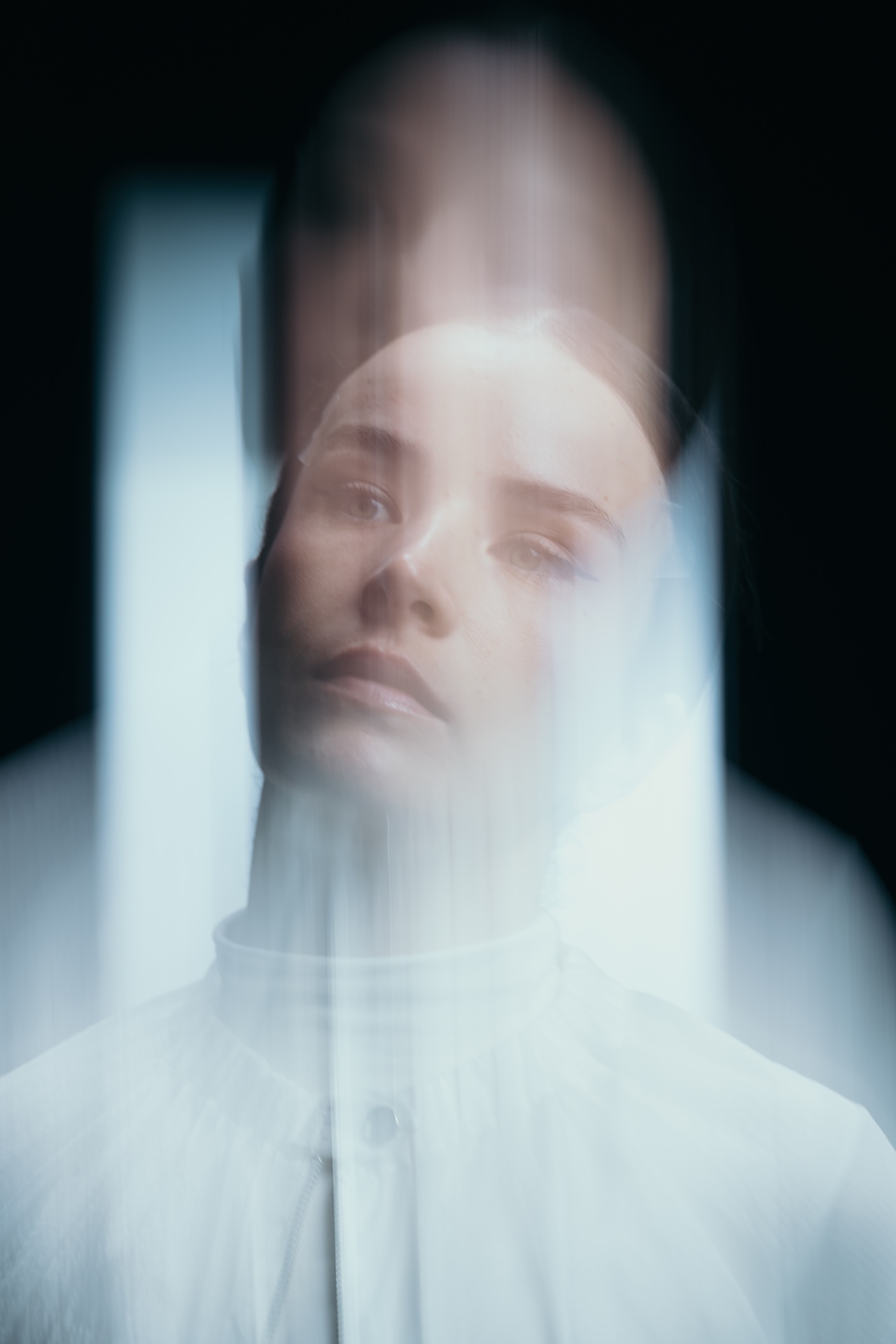
At her young age, Ela has already carved out a space that feels both timeless and of the future; a reflection of her mind’s dual devotion to sound and structure. What began as a fascination for machines has transmuted into something much more human: a sound that pulses with emotion, curiosity, and rebellion. There’s a deep awareness in her, of rhythm, silence, and of the invisible threads that connect technology and human sensitivity. Ela Minus is not just producing tracks; she’s decoding emotions through frequency. And as I listened to her speak, I found myself drawn not only to her music, but to the way she thinks and the way she pauses before answering, as if translating her heart into code.
“Computers are machines designed to do as many tasks as possible. A musical instrument is the opposite; it’s built to do one thing really well.”
The Bogotá-born artist is the owner of many superpowers: curiosity, precision, and an almost spiritual relationship with sound. Through her trajectory, she’s learned to bridge the intuitive and the engineered. When I asked her to take me back to where it all began, her eyes softened as if searching through distant, half-faded memories. “It’s so hard to answer that, because I was so little,” she told me, smiling. “Every time I think about it, I feel like I’m kind of making it up, because I don’t really remember. My mom just put my brother and I in piano lessons… he was the musical one. I was just part of the pack.”
What started as a sibling pastime became something entirely meant to be: a lifelong conversation with sound. She told me about picking up drums in an emo hardcore band and never stopping. “I think I’ve been really fortunate to have found music so young,” she said. “Something about life just kind of put me on this track, and I’ve always had something new inside music to be curious about.”
That curiosity feels like the axis on which Ela’s world spins. It’s not just technical; it’s soulful and almost mystical. With a degree in coding, Ela quickly realized that computers, though powerful, weren’t built to be musical instruments. “They’re machines designed to do as many tasks as possible,” she explained. “A musical instrument is the opposite; it’s built to do one thing really well.”
“For me, the thing that works best for creativity is limitation.”
Her intuition told her that true sound had to breathe, to err, to feel. She speaks of computers and circuits the way others speak of forests and waves, with reverence, but also with boundaries. “I started going to shows, and everything sounded the same because everyone was using the same computers,” she said. “It was as if everybody bought the same brand of guitar and the same strings. I thought, f*** that.”
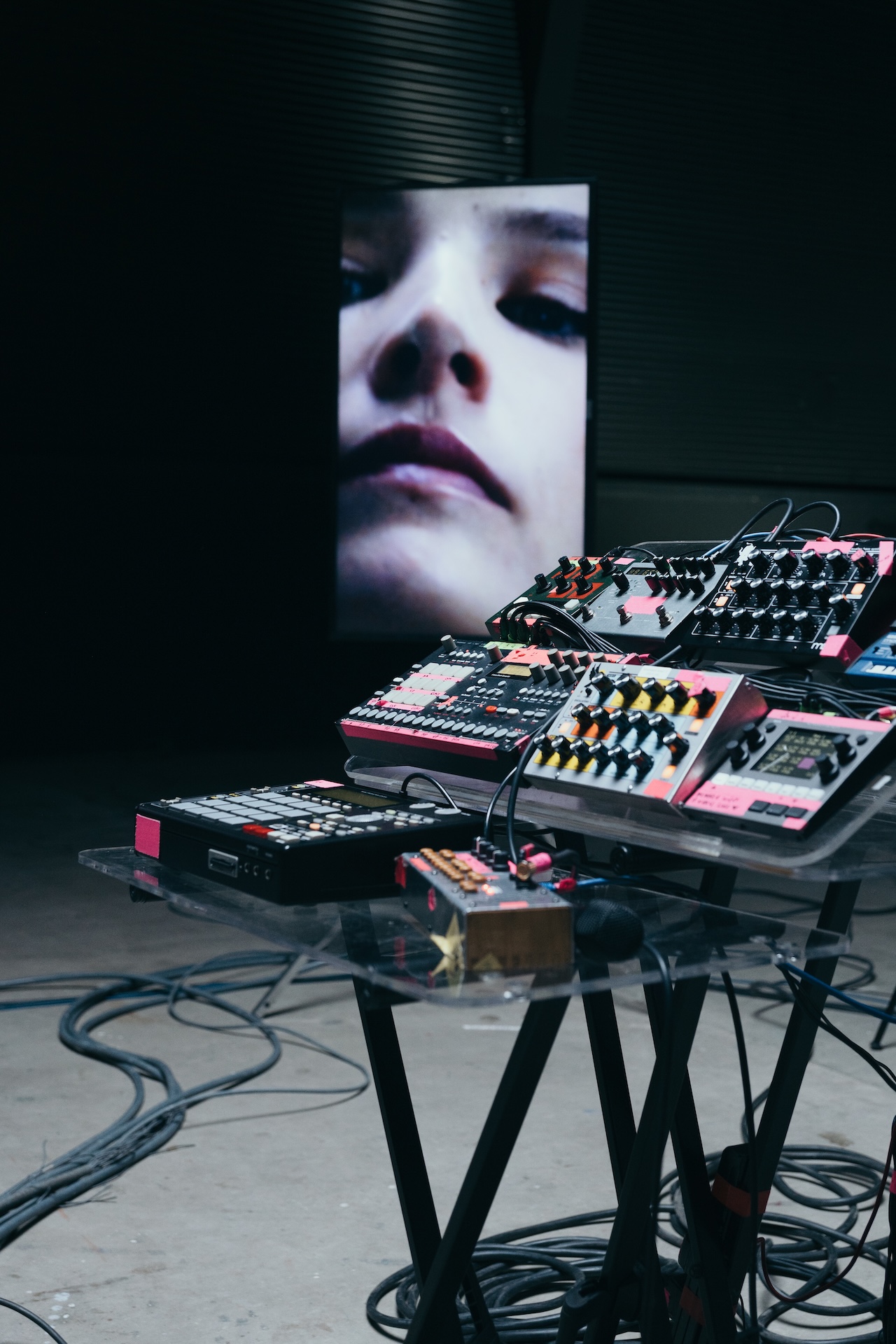
So she built her own rule: no sound in her work is generated inside a computer. What began as a rebellion became a form of liberation and a creative philosophy that celebrates imperfection as truth. “For me, the thing that works best for creativity is limitation,” she said. “Nothing comes out of a computer. One less thing to worry about.” To understand more about the poetry of her machines, I invite you to tune into Synth History – EP 1 — a short documentary that captures the pulse of Ela’s creative universe.
And that’s perhaps Ela’s greatest gift; the courage to let simplicity lead and to let her emotions guide the machine. Her work reminds us that the future of music doesn’t live in algorithms or screens, but in the heart that dares to listen differently.
“Everything in my life is analog. I have to move something for it to change, to become music.”
What struck me most about Ela is not only her mastery of sound, but her mastery of self. She guards her humanity with intention, often turning off her phone to quiet the noise and listen inward. In a world addicted to constant connection, her discipline feels radical. “I turn my phone off a lot,” she told me almost shyly, “because if not, I stop hearing myself.” That quiet is where her creativity lives. It’s how she protects the sacred bridge between emotion and music, between the chaos of the world and the order she builds through sound.
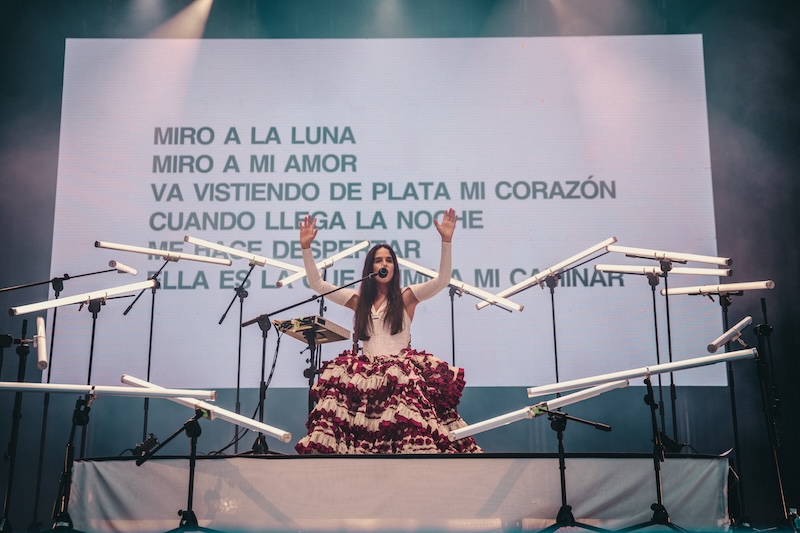
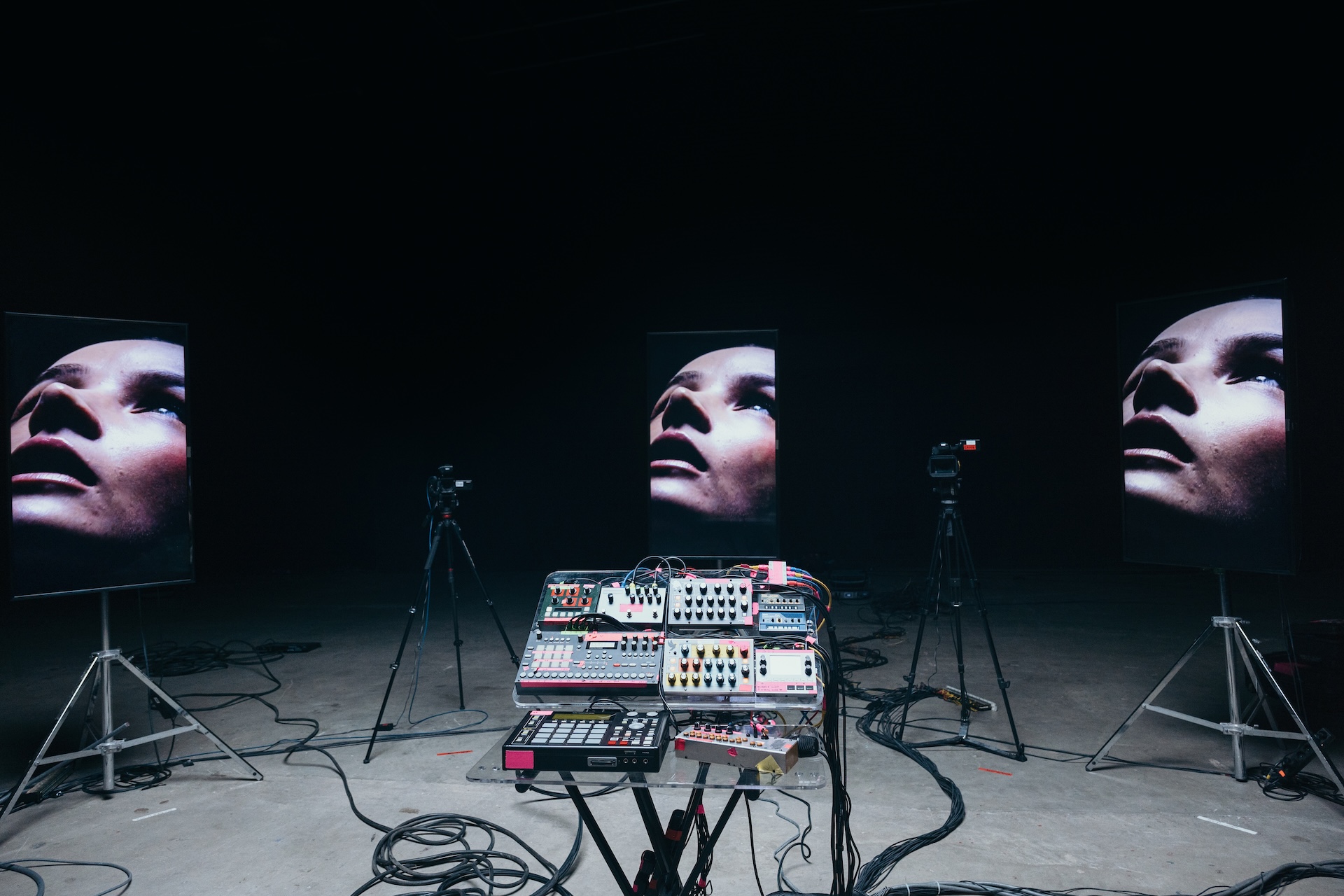
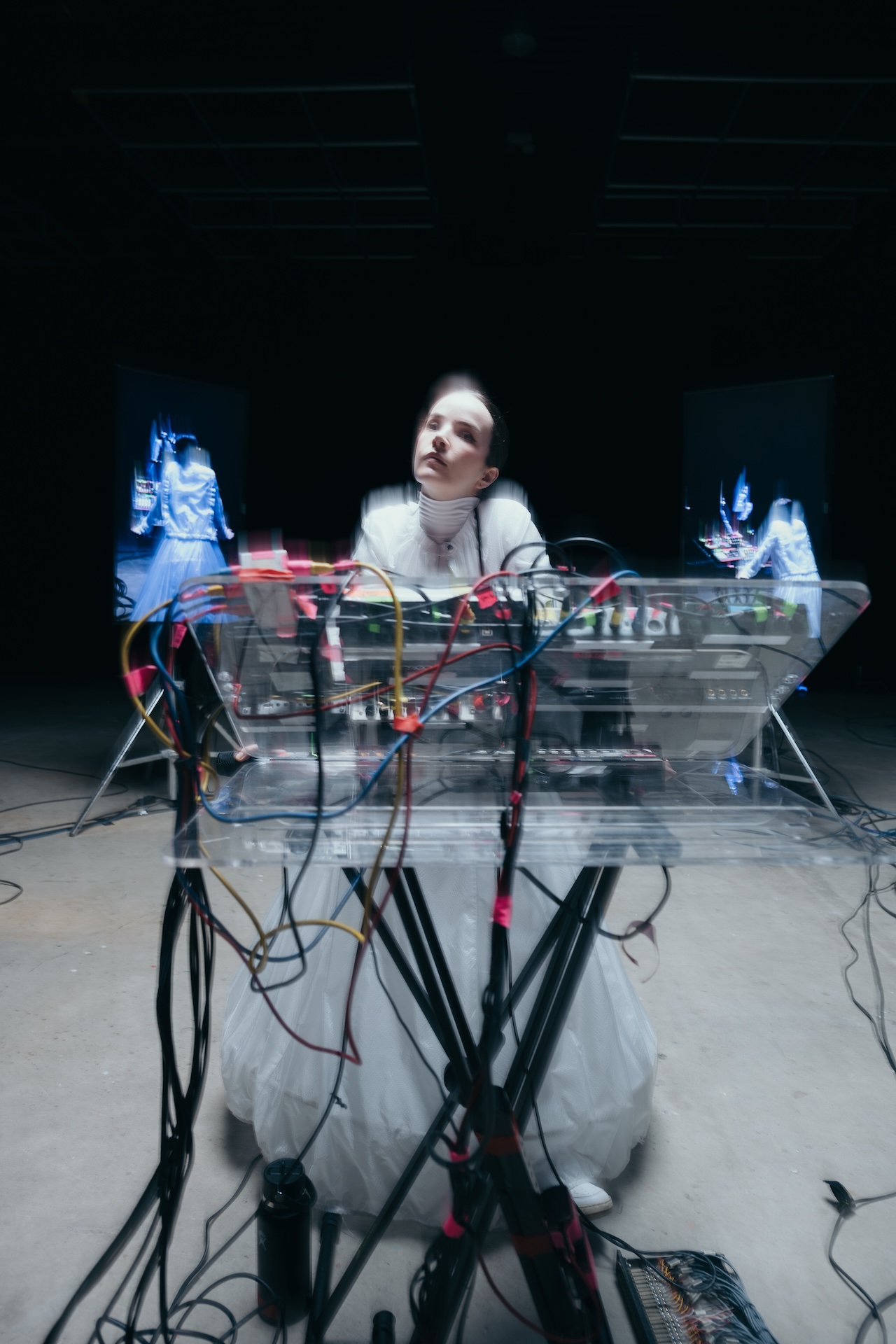
As a drummer first, she says she must touch the sound to feel it. “Everything in my life is analog,” she explained. “I have to move something for it to change, to become music.” Watching her perform is like watching circuitry come alive. Her live shows are built entirely from synths, each movement of her hands a dialogue with electricity. And yet, for all the machinery, her music feels deeply human.
This year, that humanity has resonated louder than ever, earning her first Latin Grammy nomination, a milestone that feels both inevitable and surreal. When I asked how it feels, she paused and said softly, “It’s very surreal still.” She spoke about living between worlds; Colombia, Mexico, the U.S., and how leaving home forever changed her. “There’s this sense of not belonging anymore,” she said. “You have more than one home, and even if you do have one, something inside you shifts.” That feeling of detachment became her muse, inspiring her to make music for all who carry home within them.
“Just do whatever you want, all the time. Don’t be scared. Don’t get in the way. Just follow your gut.”
While she describes her sound as “feeling like Colombia,” to me, it feels more expansive — de Colombia, para el mundo. Her music carries the spirit of a country that dances through its pain and sings even when it bleeds. There’s a symbolic duality to her sound: joy and melancholy, light and darkness, vida y muerte. It’s the very essence of where she comes from and who she is.
When I asked Ela about authenticity and what advice she’d give to young musicians still searching for their sound — her answer was immediate, almost instinctive. “Just do whatever you want, all the time,” she said, laughing softly. “We always know in our gut what we like and what we shouldn’t like. Don’t be scared. Don’t get in the way. Just follow your gut.” There was a clarity in her voice, the kind that comes from embodying those words. For Ela, authenticity isn’t a concept, it’s a daily act of courage.
Her evolution between Acts of Rebellion (2020) and DÍA, her luminous most recent album out now on Domino Record Co., mirrors that journey toward truth. Where Acts of Rebellion was a sonic manifesto born from unrest and transformation, DÍA feels like emergence; the sound of someone who’s shed her skin and learned to breathe again. She told me that making Acts of Rebellion felt like crossing through fire and DÍA feels like the dawn that followed. Every beat, every silence and every visual in her work is her own — meticulously built, filmed, and felt by her hands. The result is music that feels like cinema; alive, sensorial and impossible to forget.
In Ela’s world, machines have heartbeats, silence has texture, and rebellion sounds like authentic power. This Saturday at III Points Miami, she’ll bring that universe to life in a full-sensory, no-computers performance that transcends genre and redefines presence. Just Ela’s synths and her soul that moves them. If you ever wondered what the future of music might feel like, start here, where sound, soul, and self become one. Ela Minus has opened my mind to a whole new way of experiencing sound. I no longer only hear and feel it. I can see it, touch it and breathe it.
Grab your tickets now and feel what it means to see, touch, and become sound.
All Photos by Fabrizio Colque.